Sacred Isolation is at Risk in Far West Texas
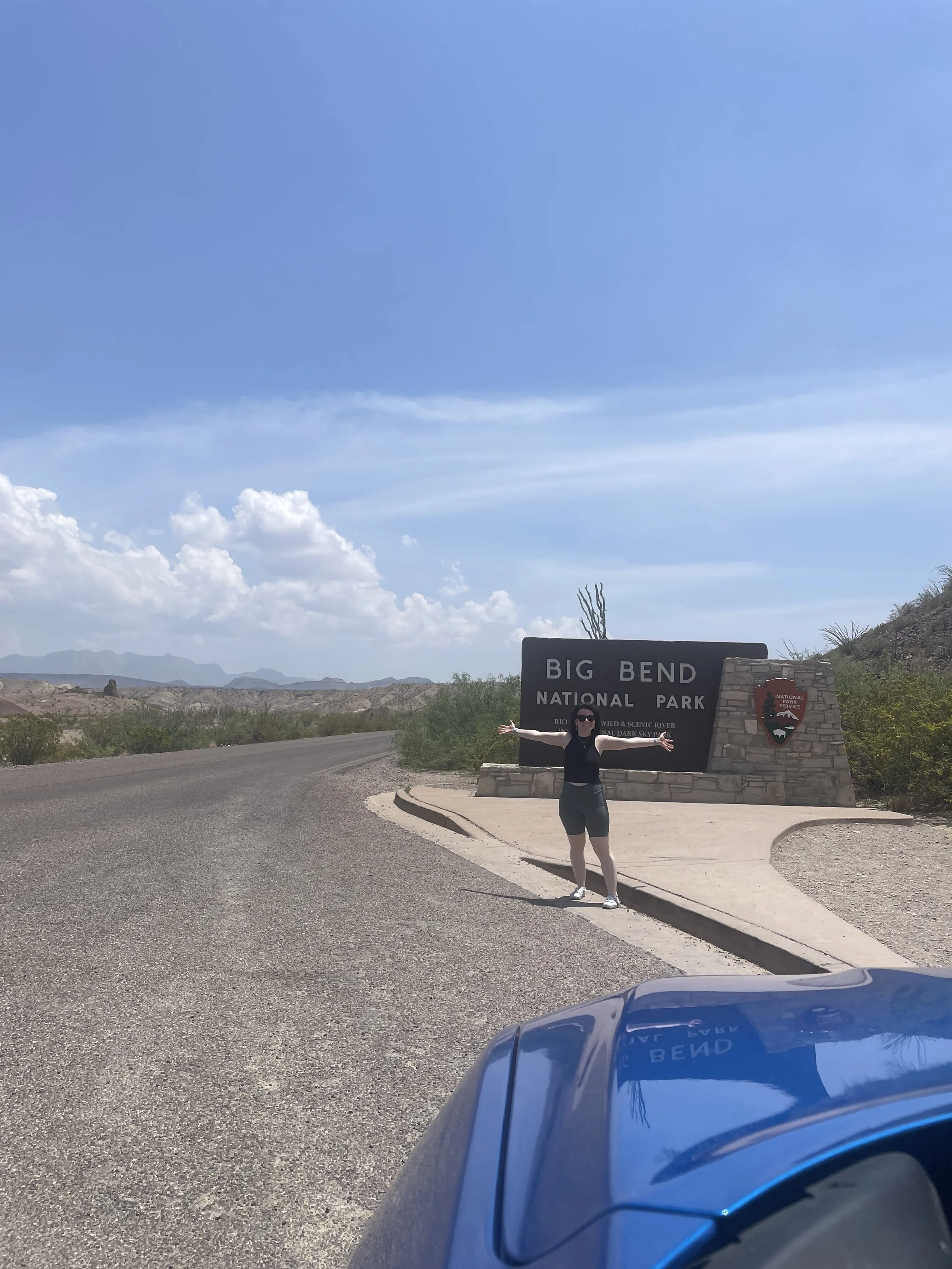
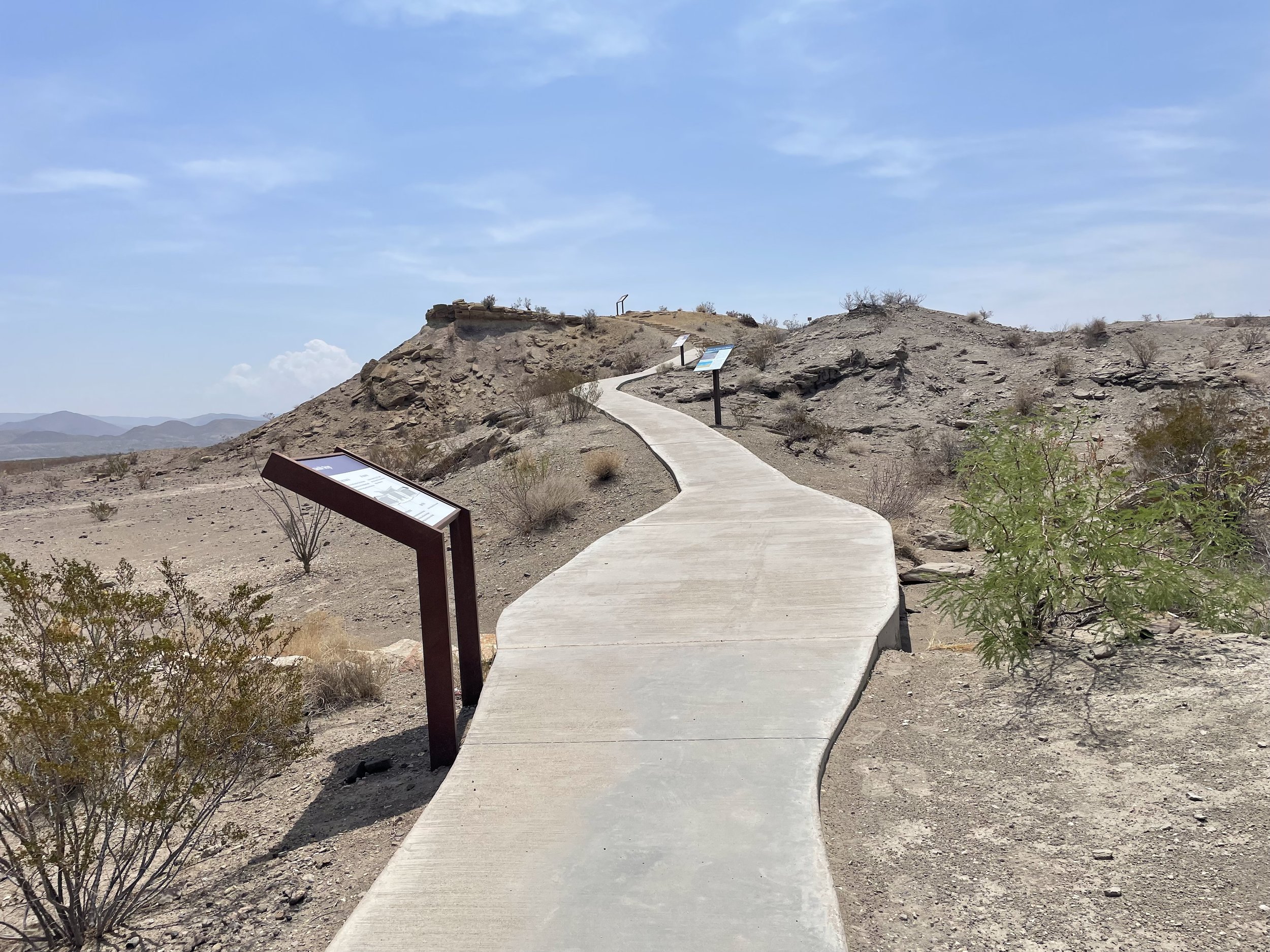
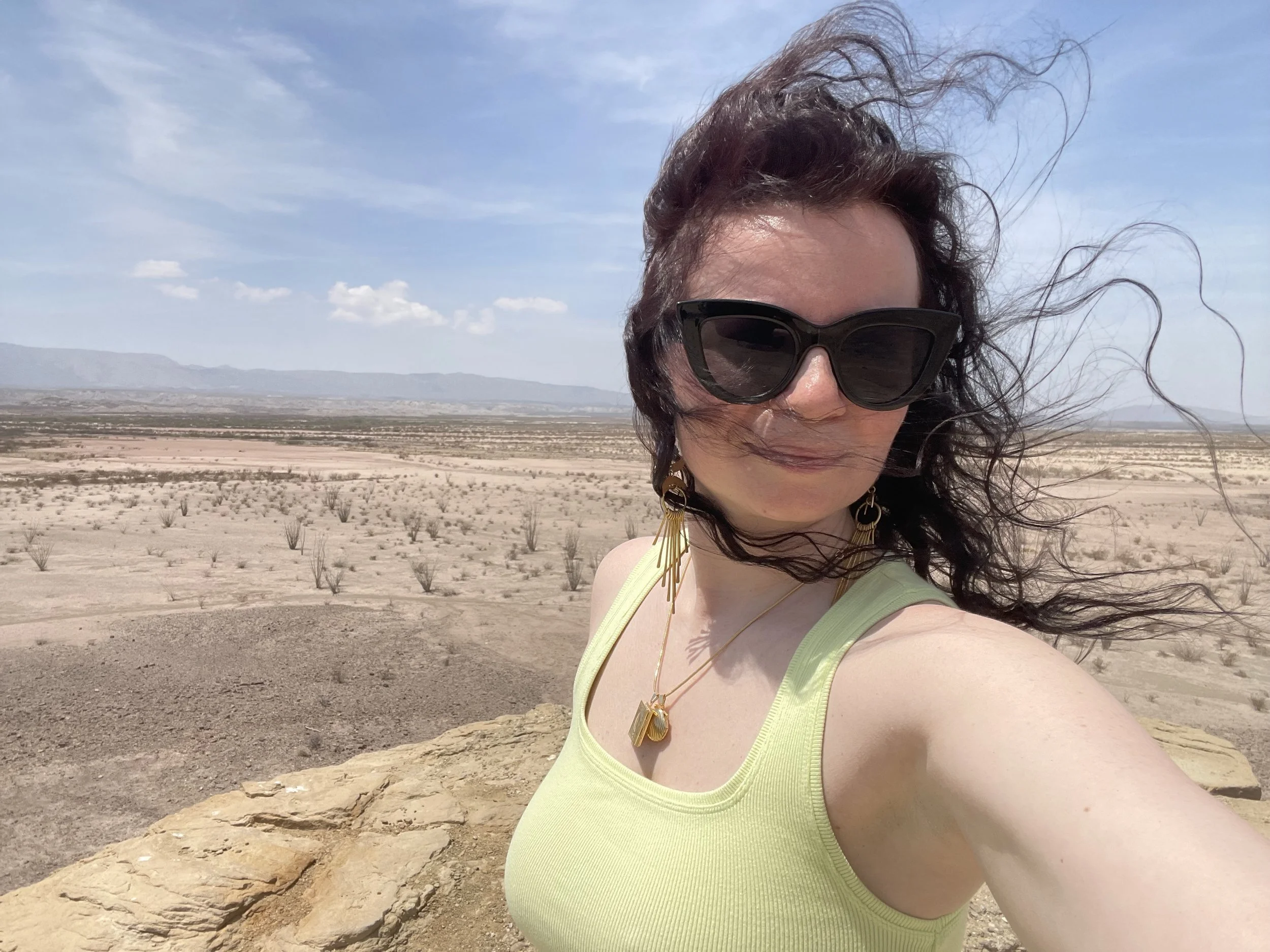
April 24th, 2025: Big Bend National Park – it’s not on the way to anywhere, but I found magic all along the way.
No place has ever quenched my thirst for solitude quite like Big Bend Country.
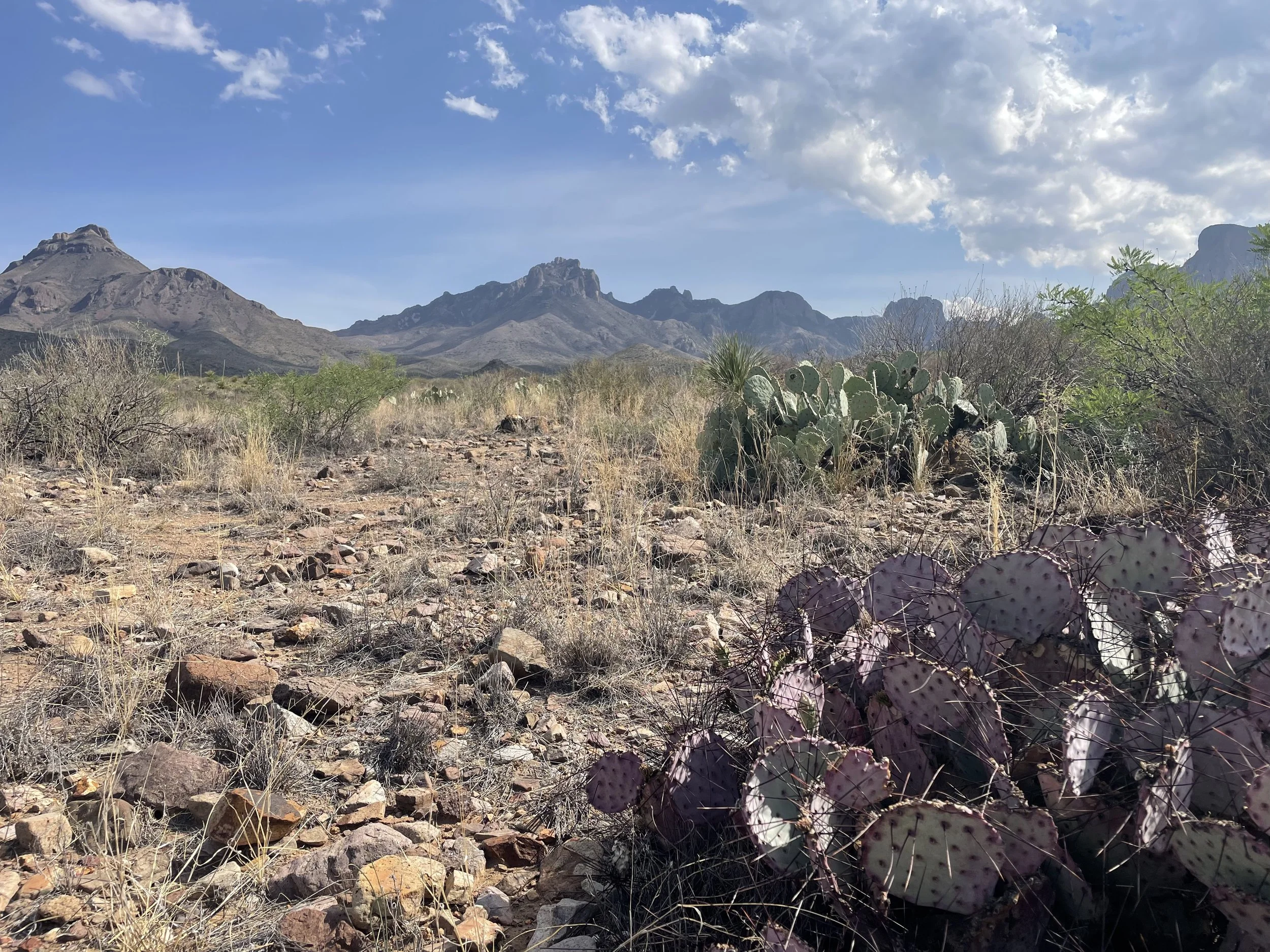
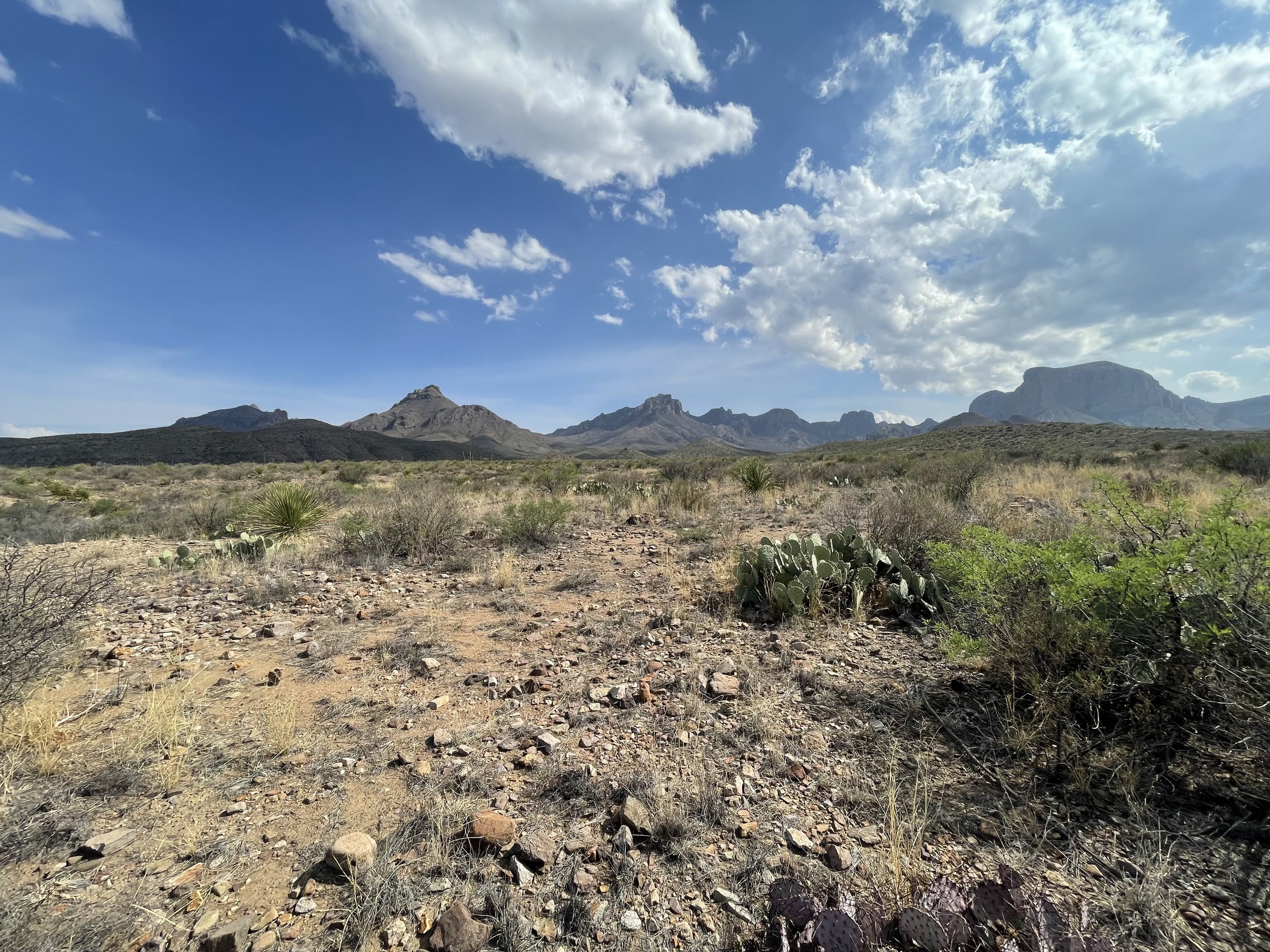
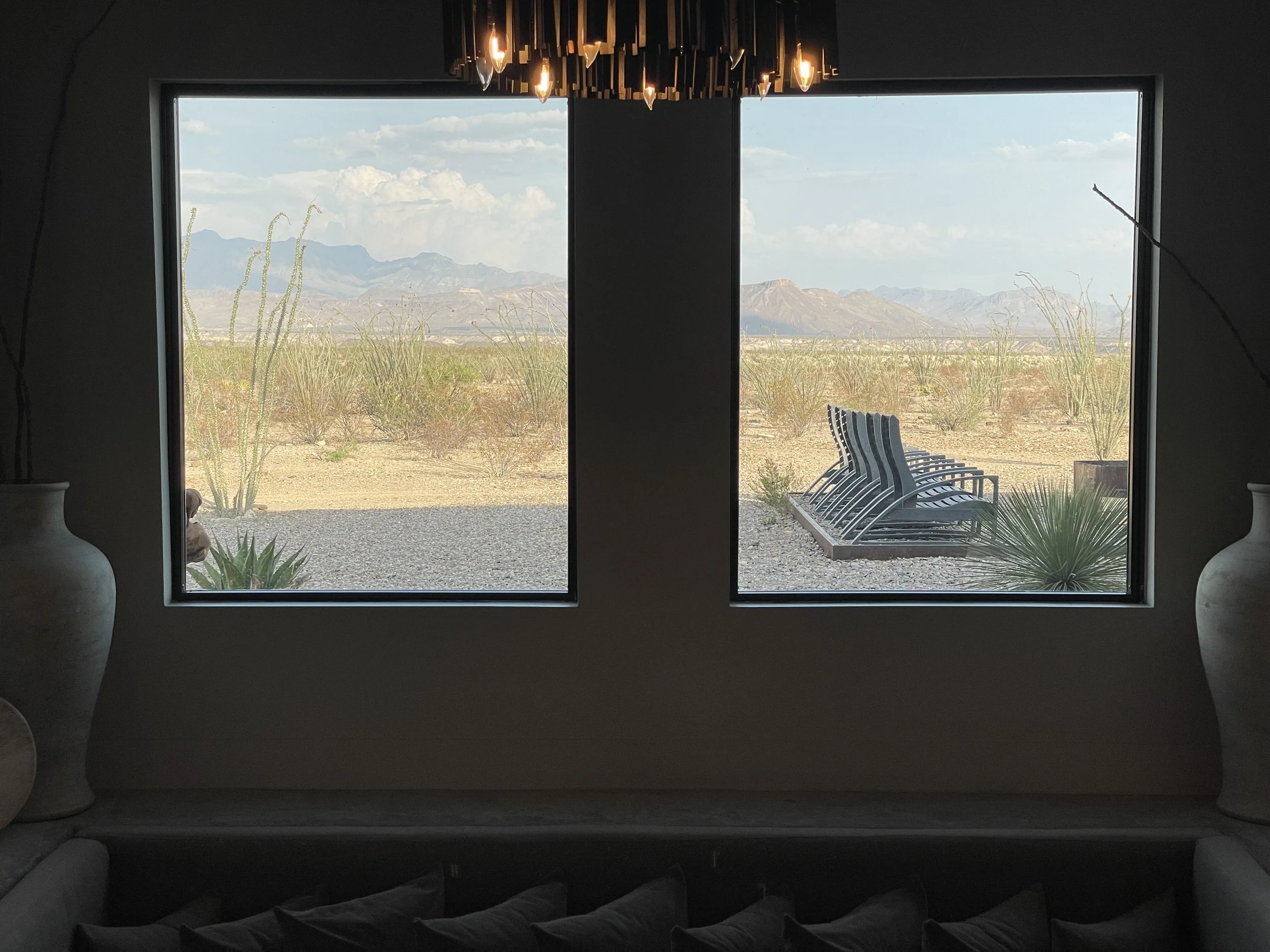
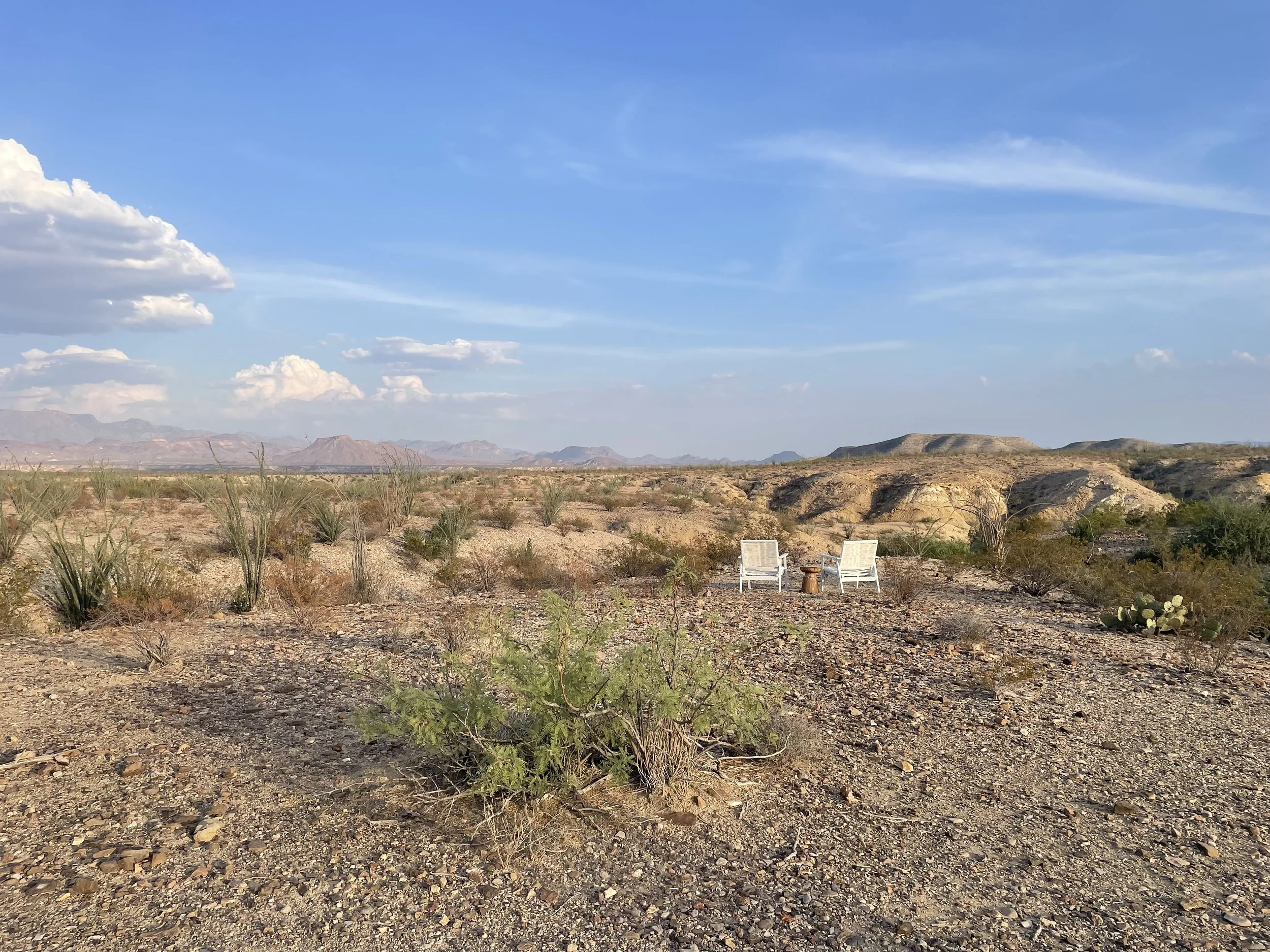
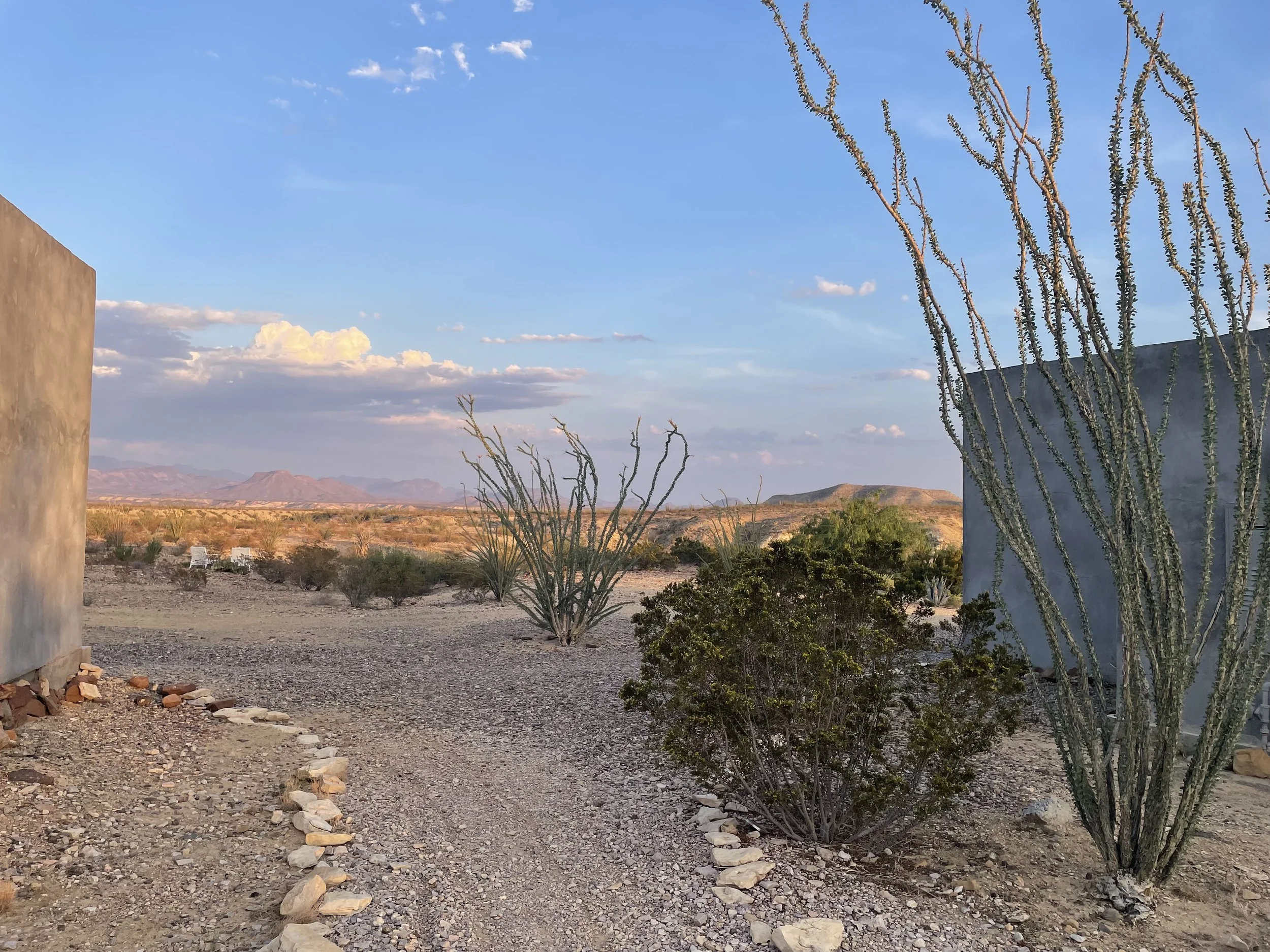
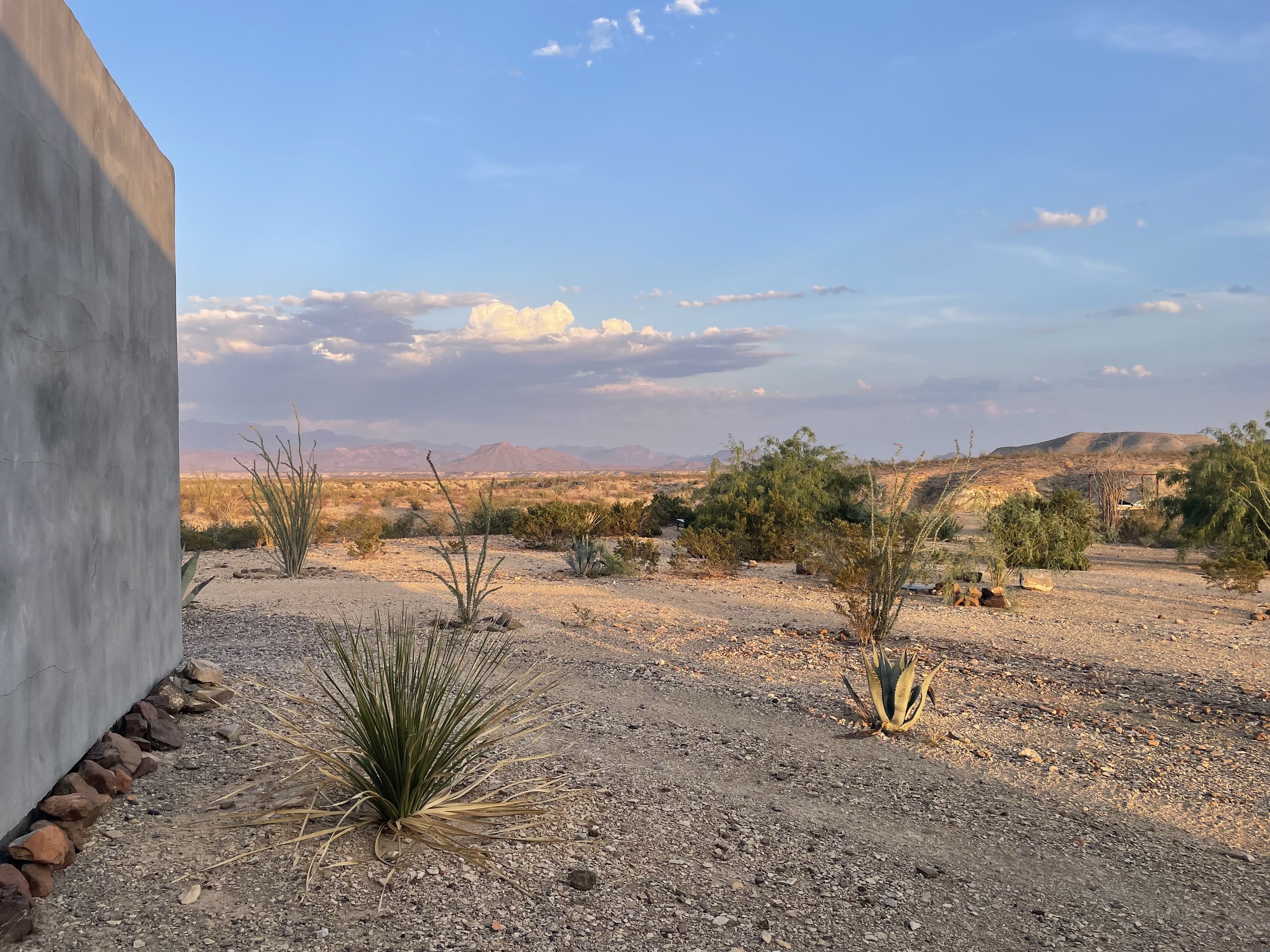
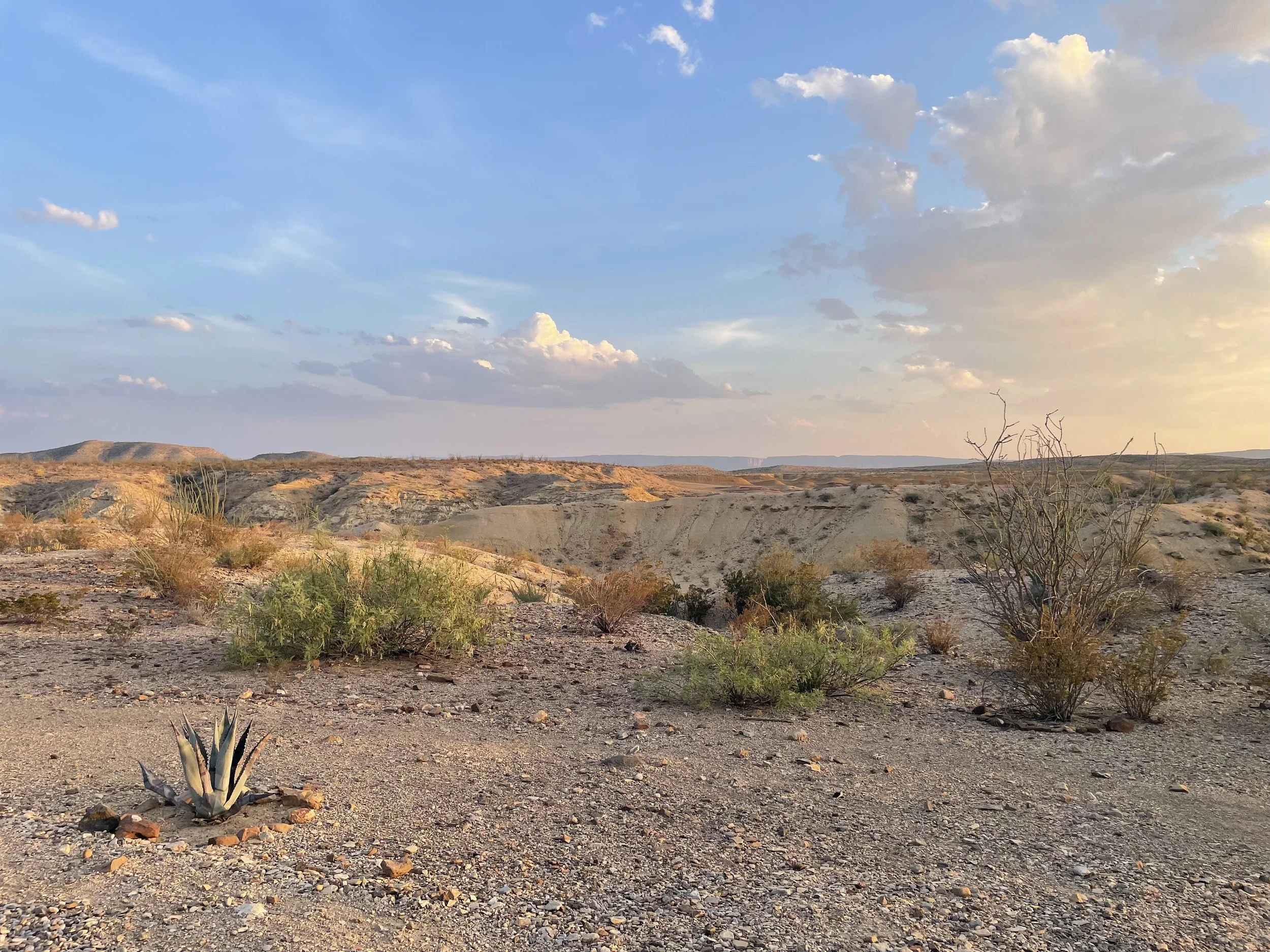
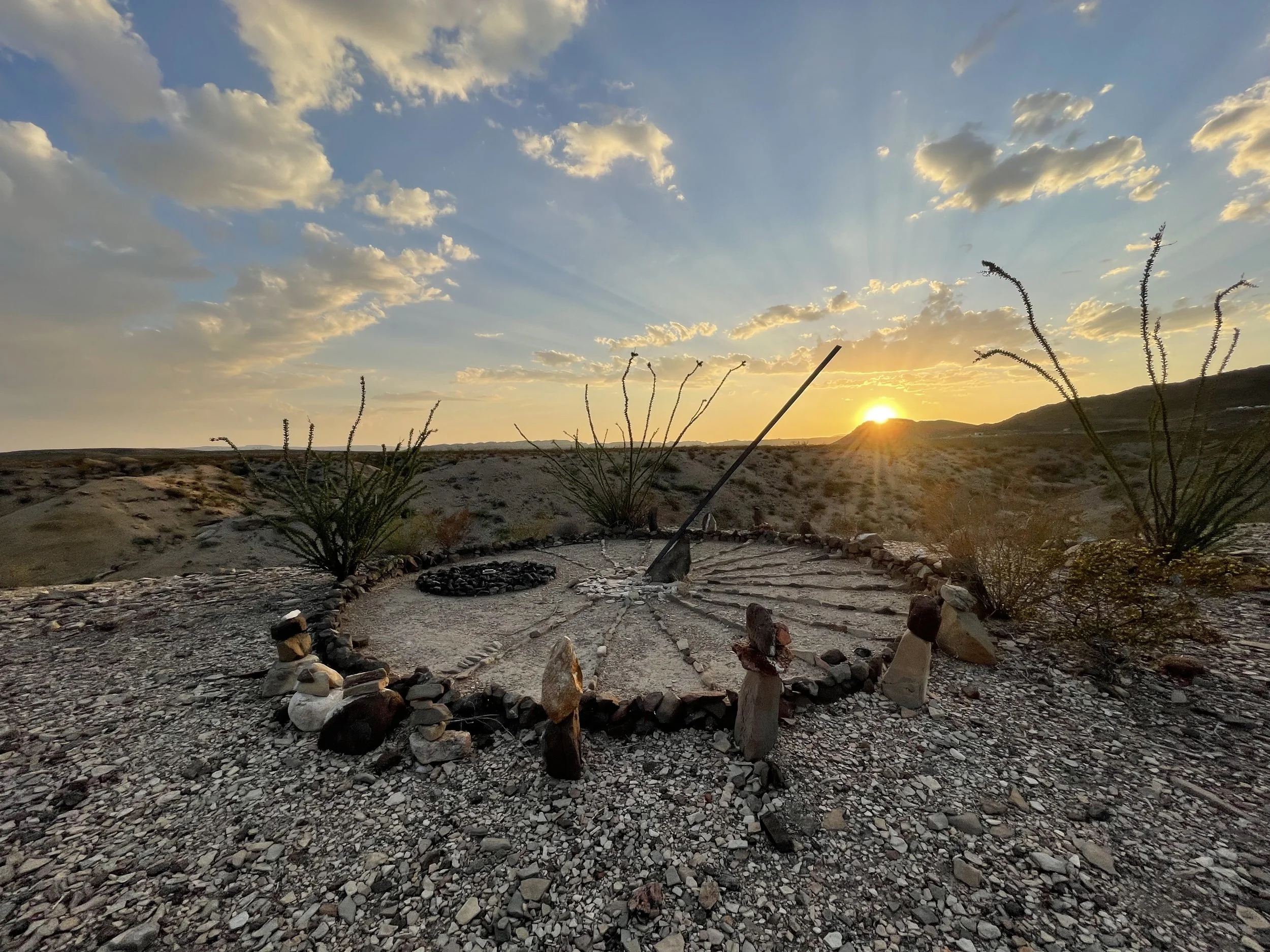
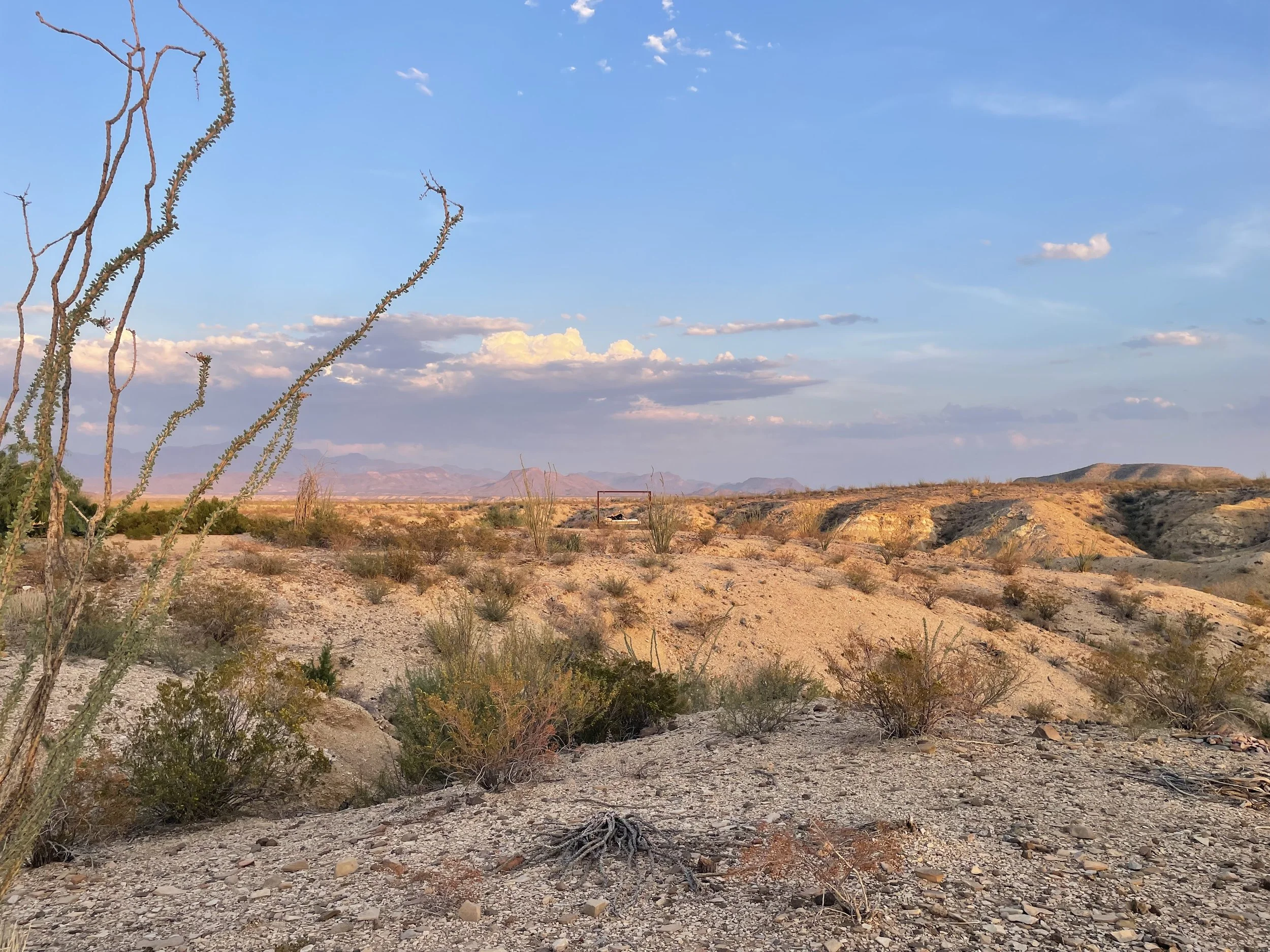
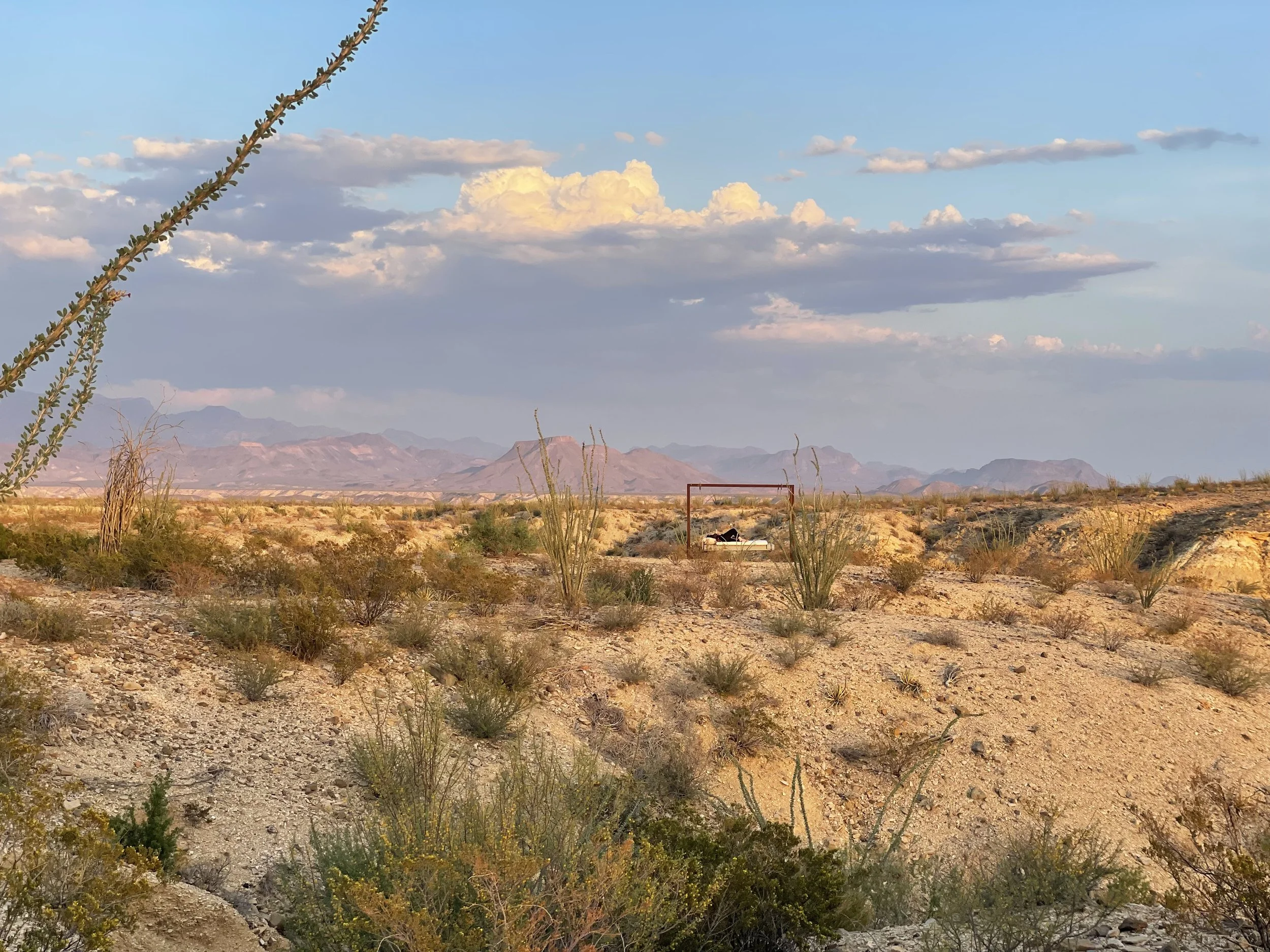
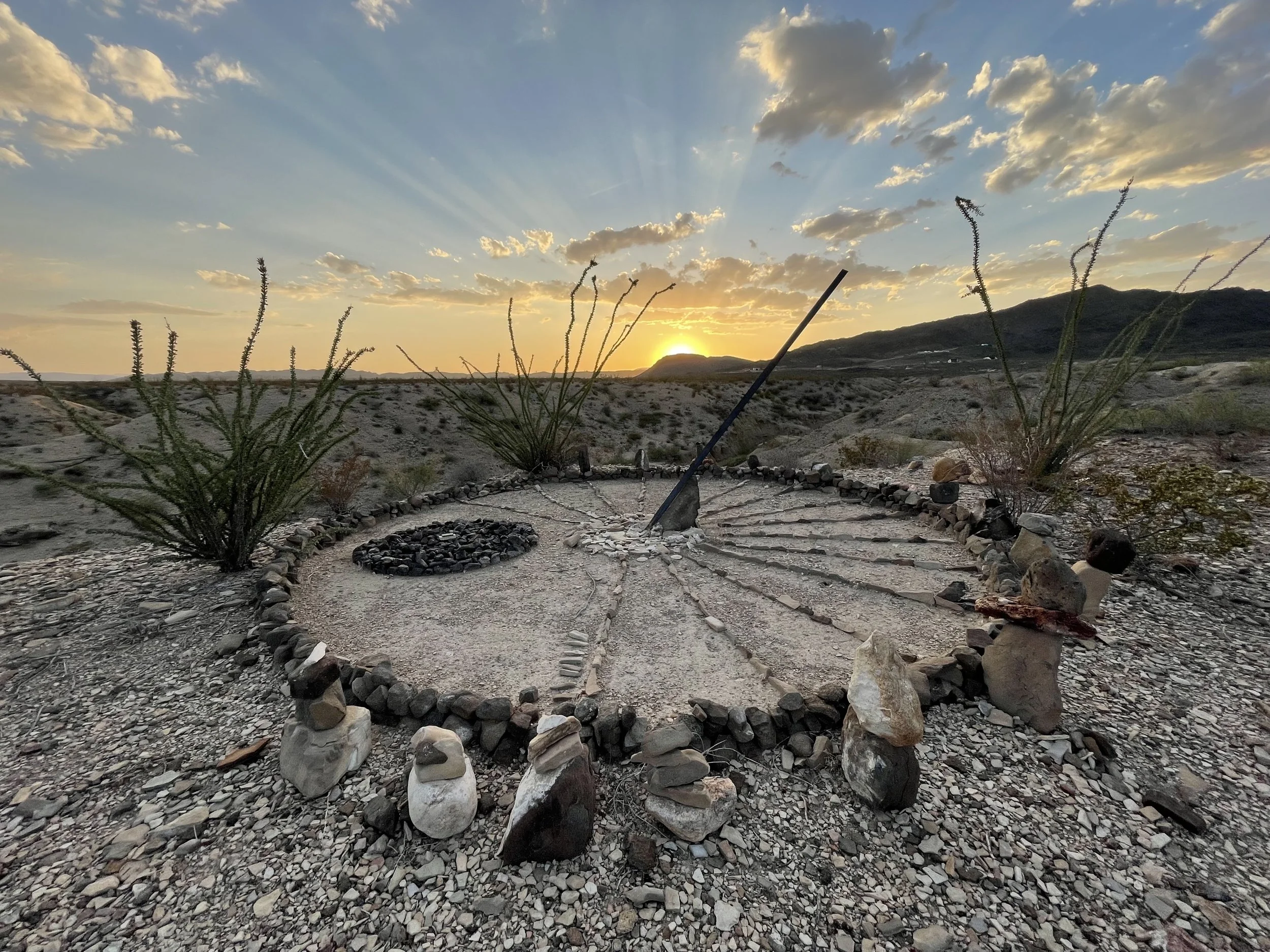
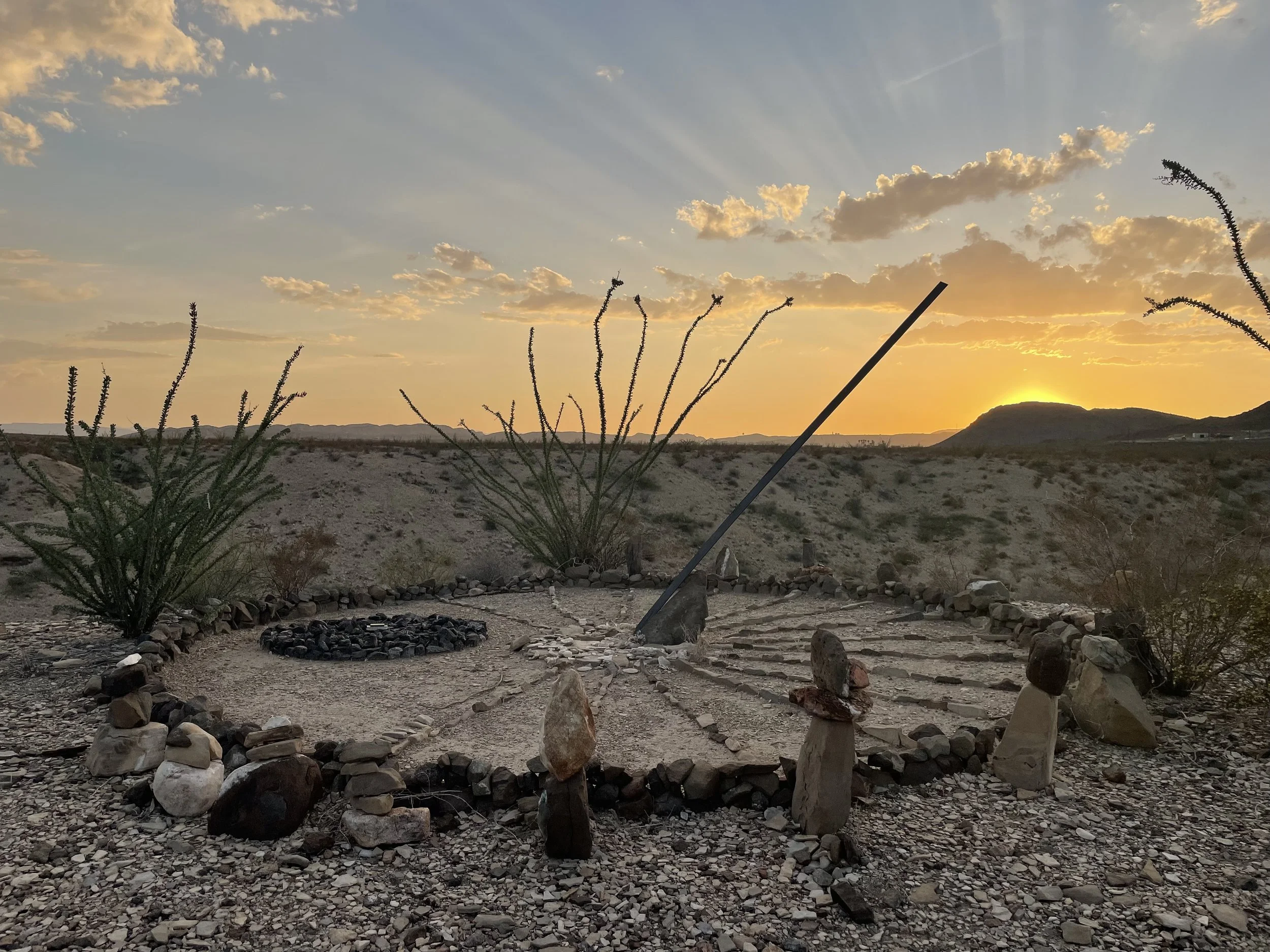
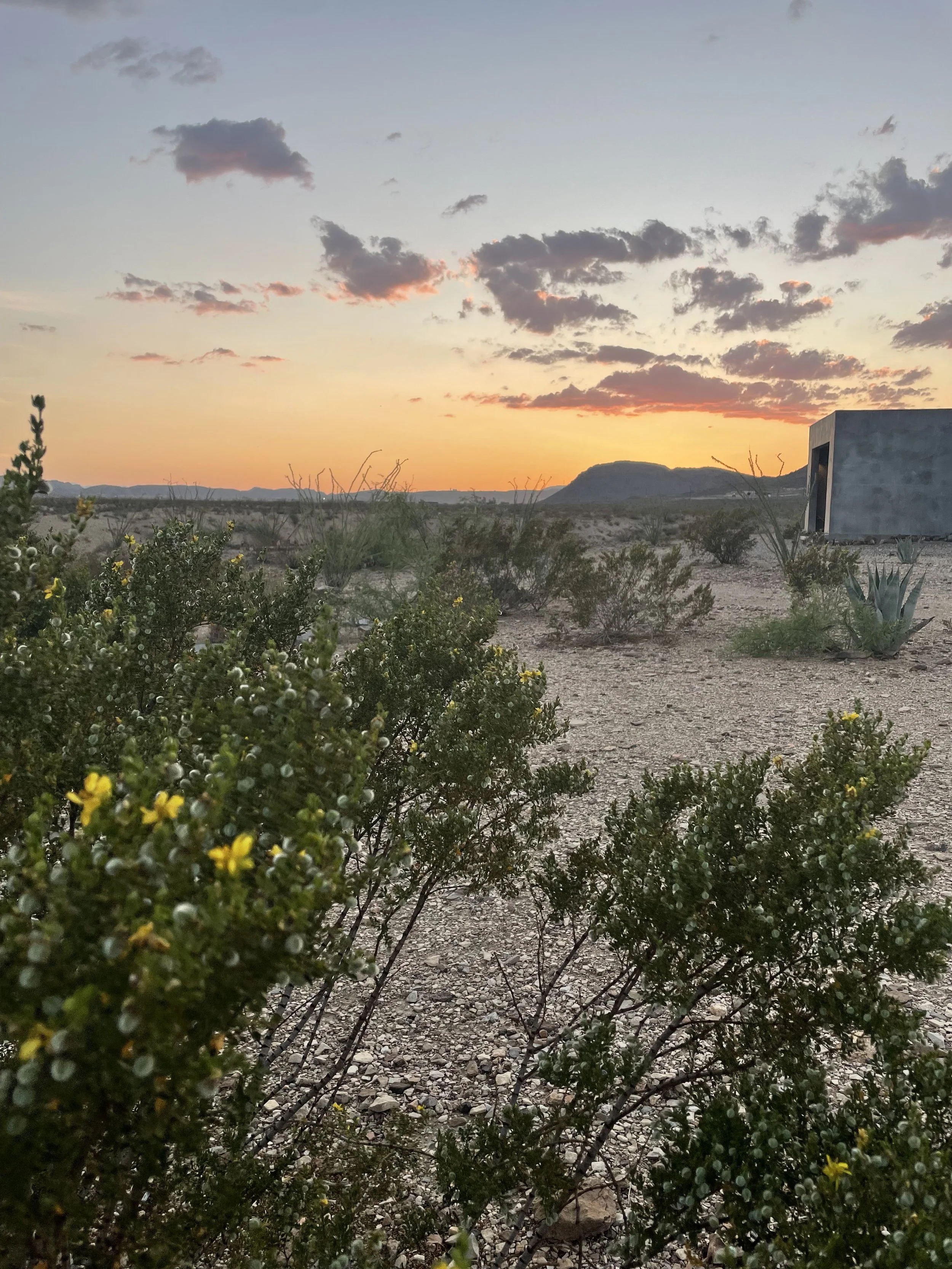
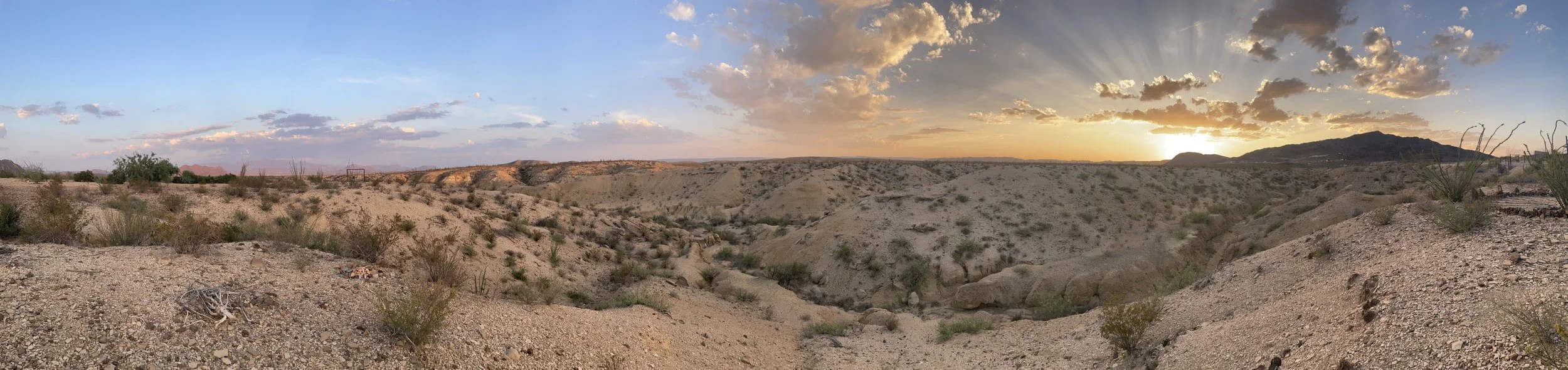
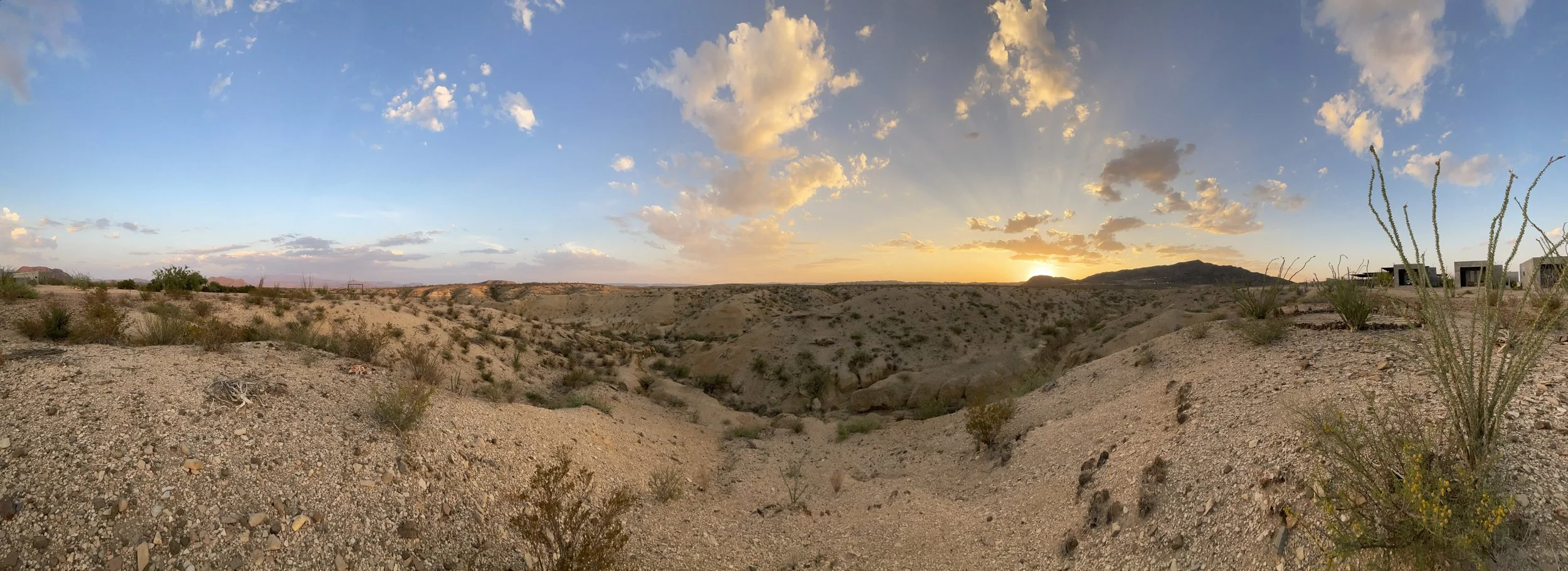
For brave, determined travelers who yearn to venture where remoteness is all-consuming, where cacti outnumber people by the thousand, and night is so dark it feels like it could swallow you whole, a 360-degree dreamy desert embrace awaits in the Big Bend.
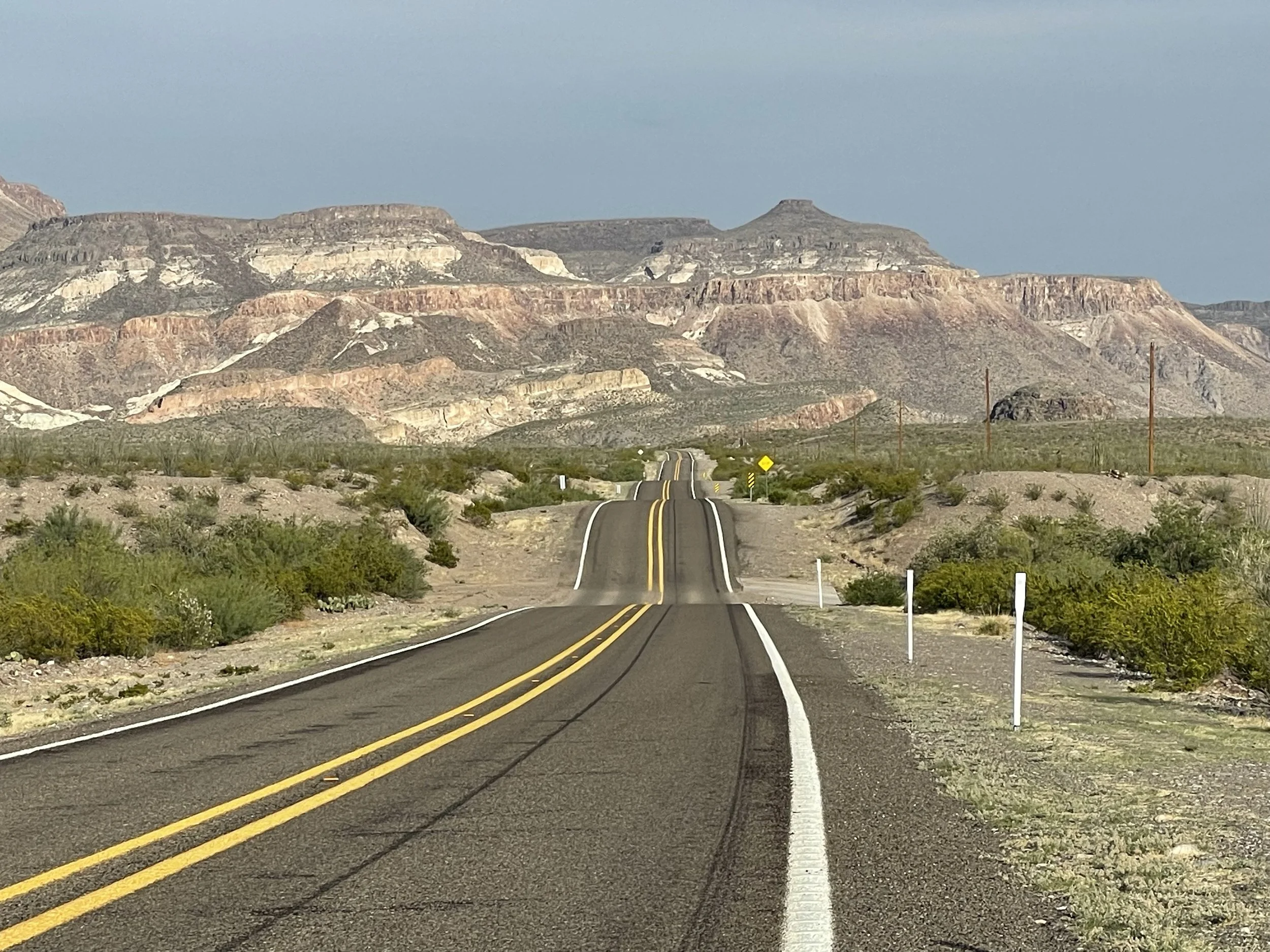
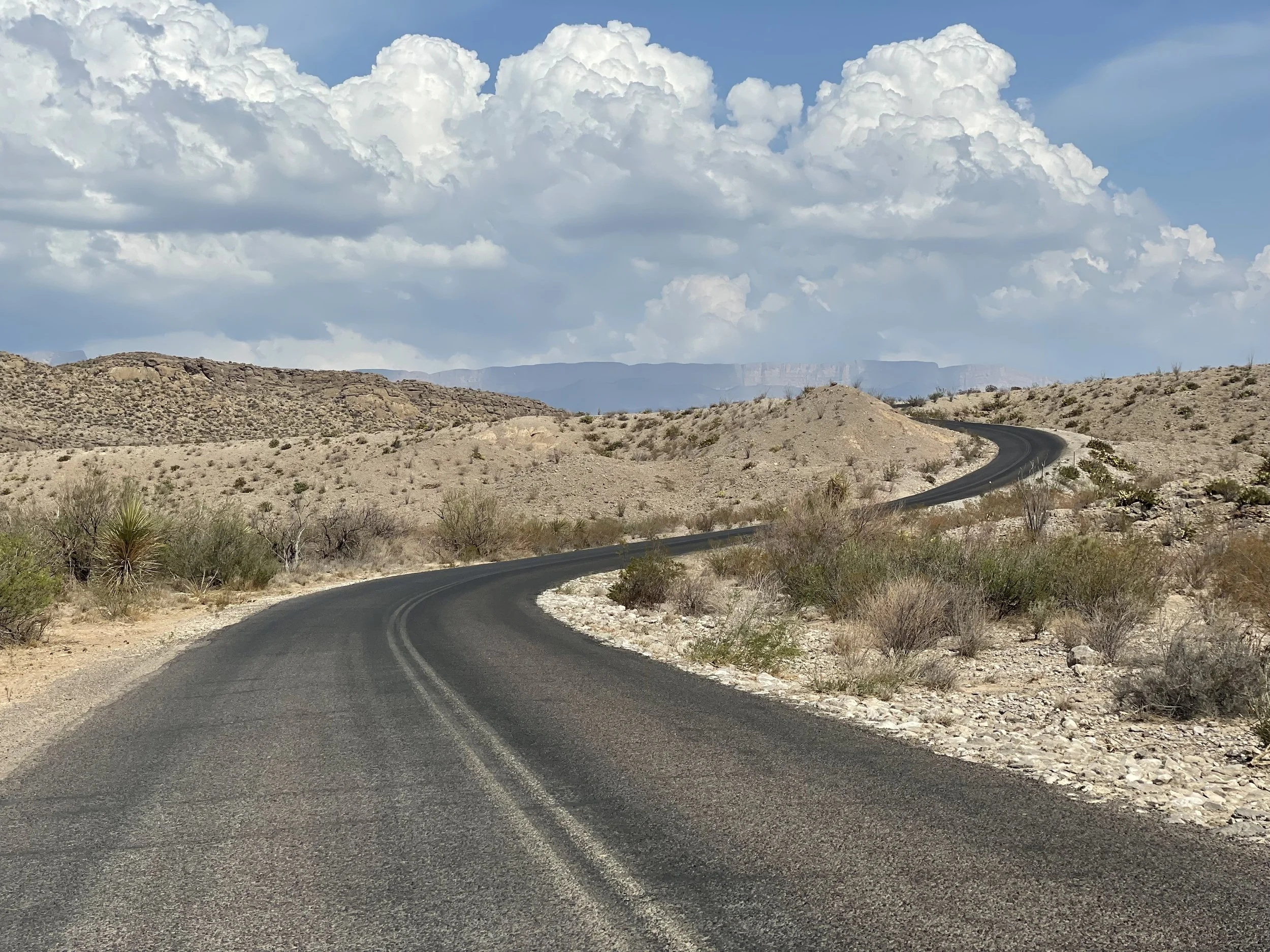
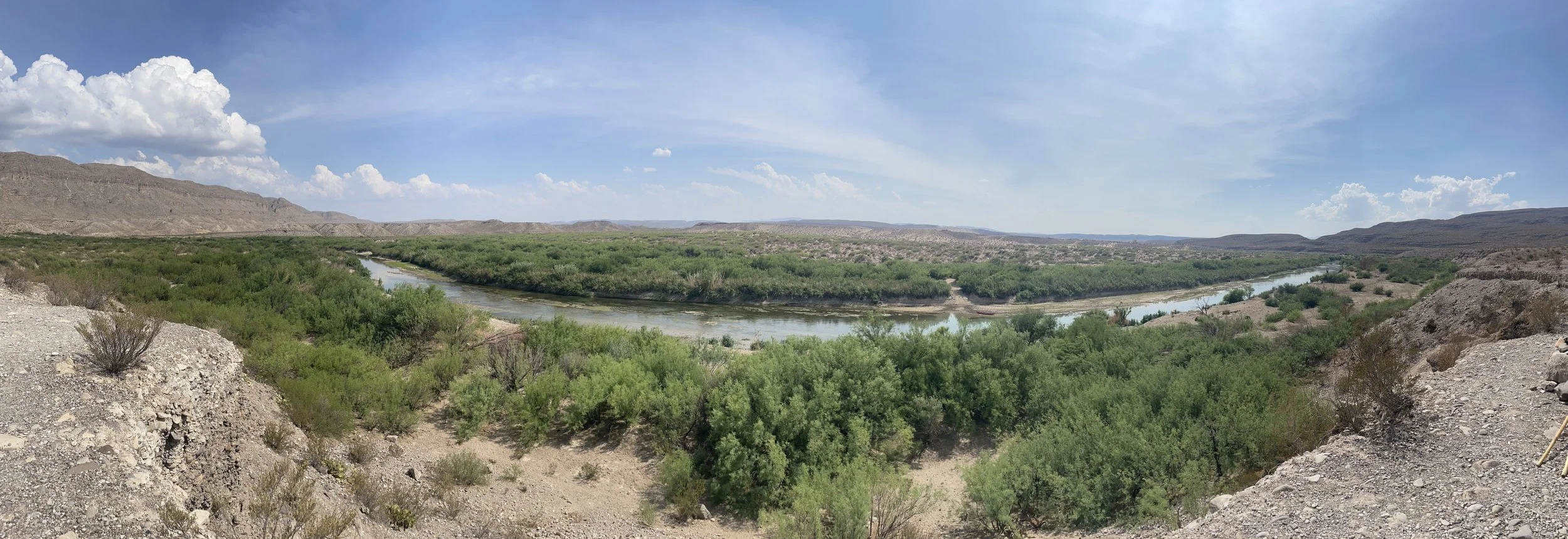
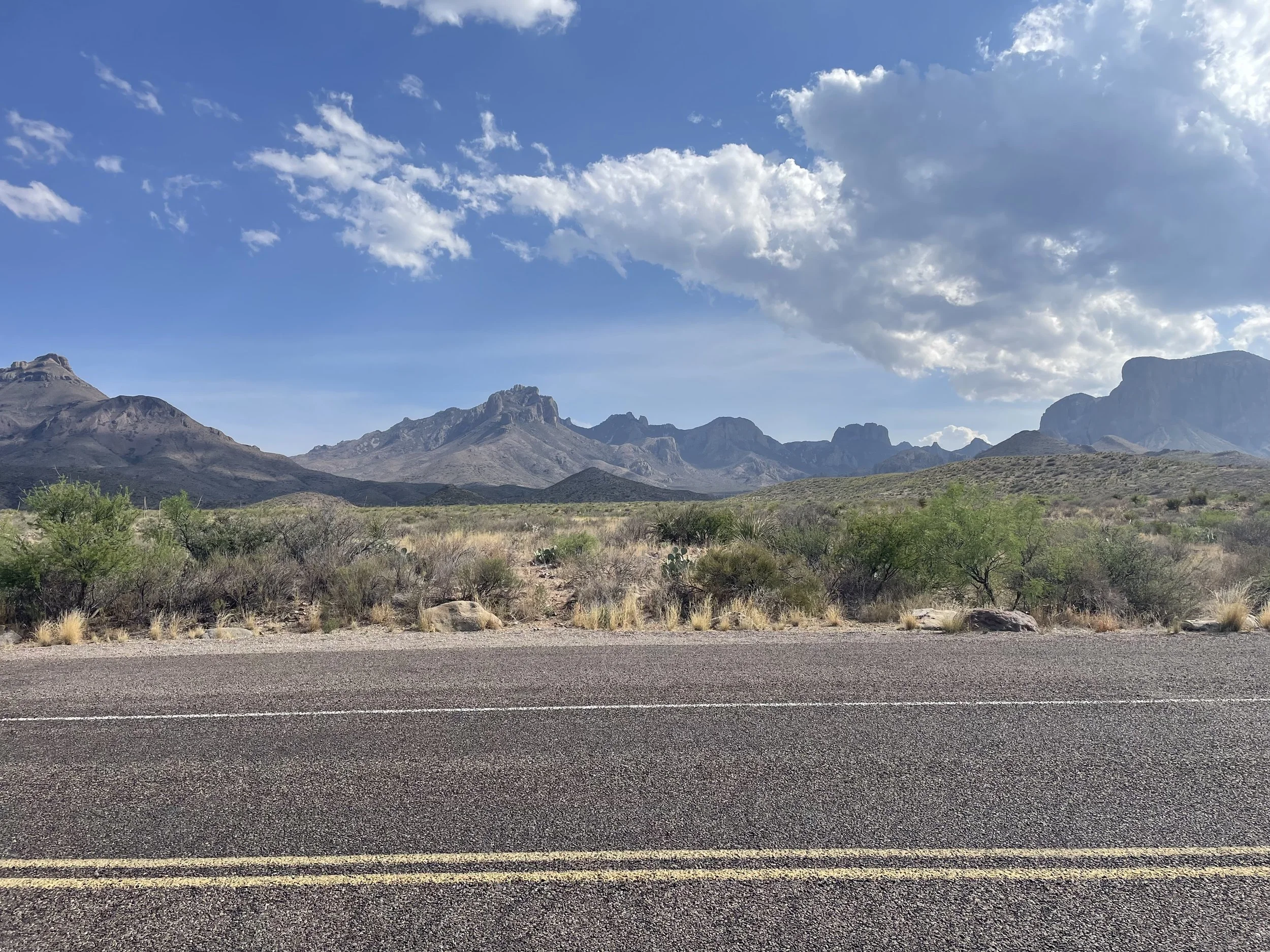
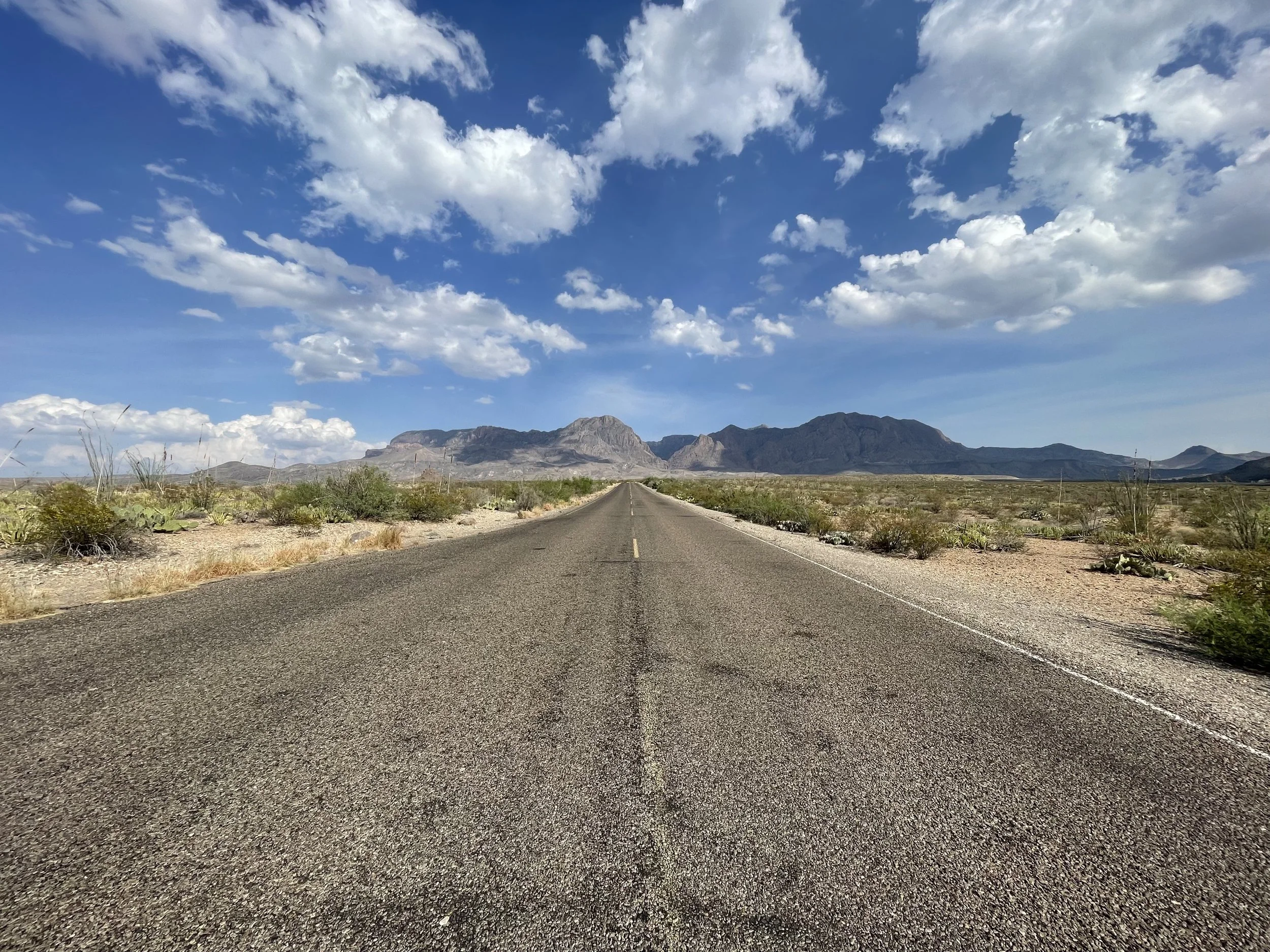
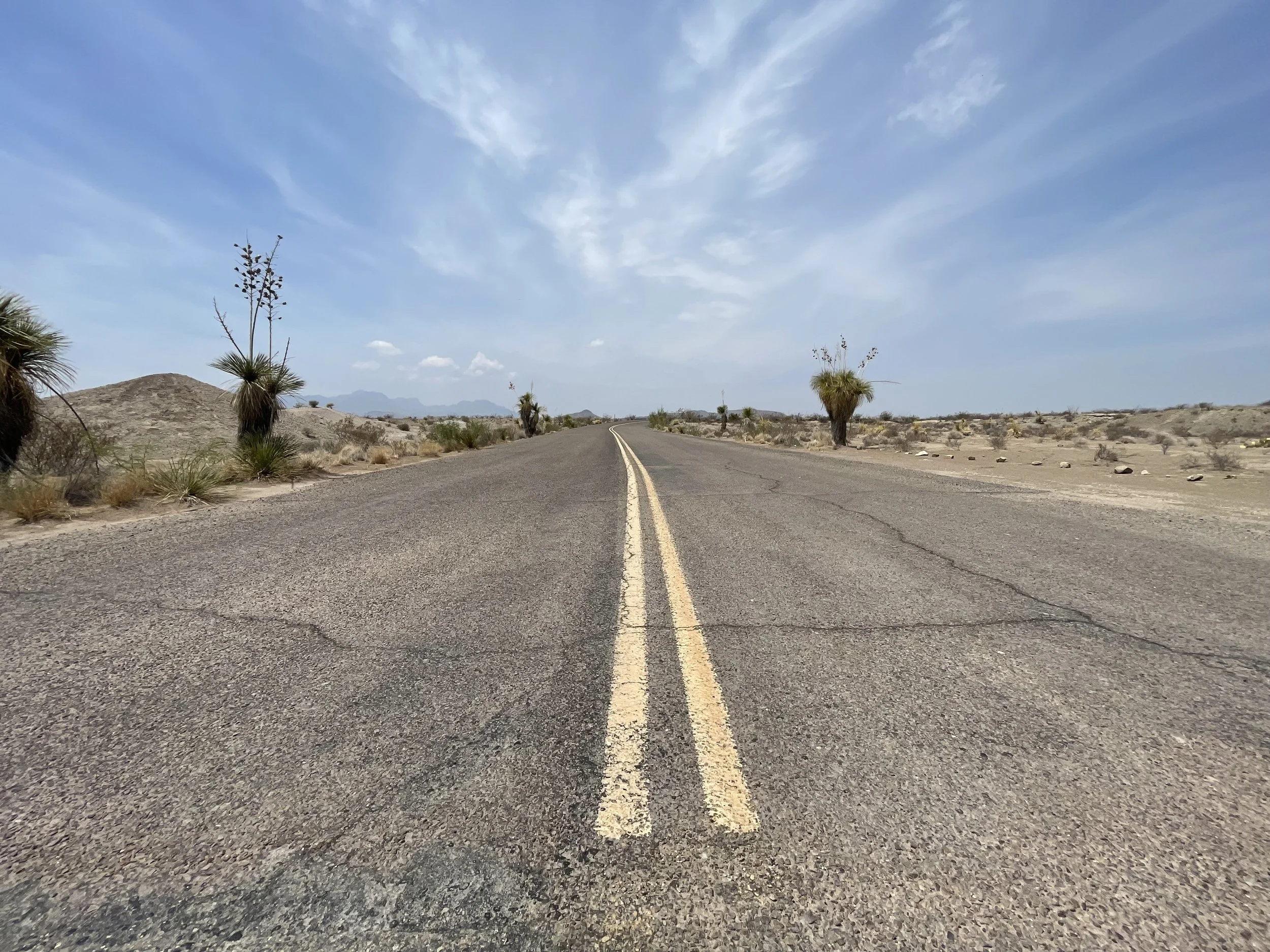
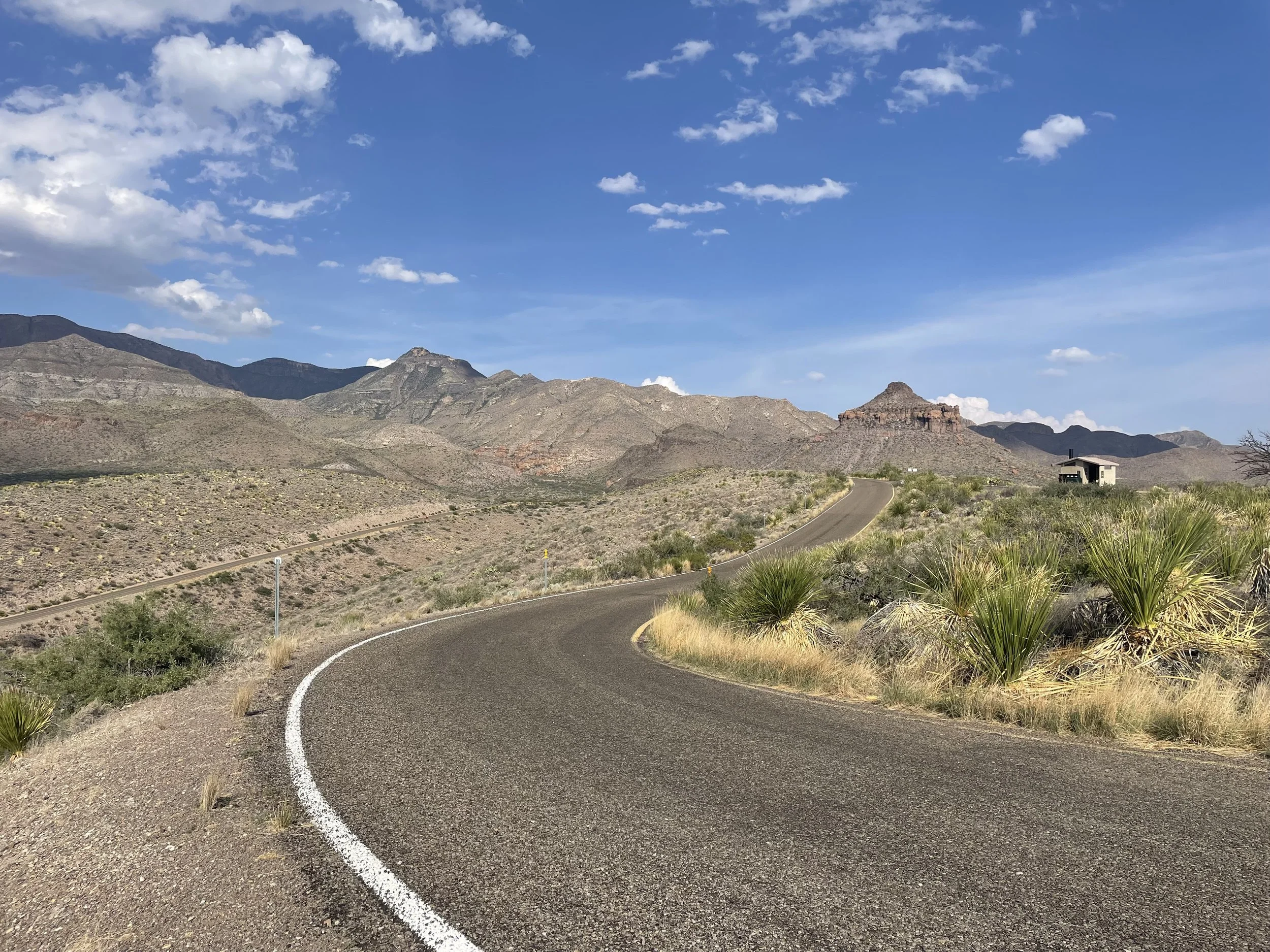
Take a seemingly endless, flat, straight shot to the rollercoaster river road National Geographic named one of America’s most scenic. You’ll arrive at an explorer’s paradise.
You have to go far out of your way to get there. Hundreds, if not thousands, of miles. That remoteness, that distance, is my why.
Big Bend National Park is one of the least visited in the U.S. I’ve seen it described as “not on the way to anywhere.” That beautiful reality tingles my senses awake. It makes me feel alert, alive, inspired, as if fireflies are bursting into light in my chest and in my dominant hand.
Of the thousands of miles I’ve roamed, nearly every stop I’ve ever made was on the way to another great place. My trips snowball—from modest thousand-milers to more than doubling my initially planned mileage. “Well, if I’m gonna be over here, then I might as well go there too. Then that brings me somewhat close to…” and so, the miles I map multiply.
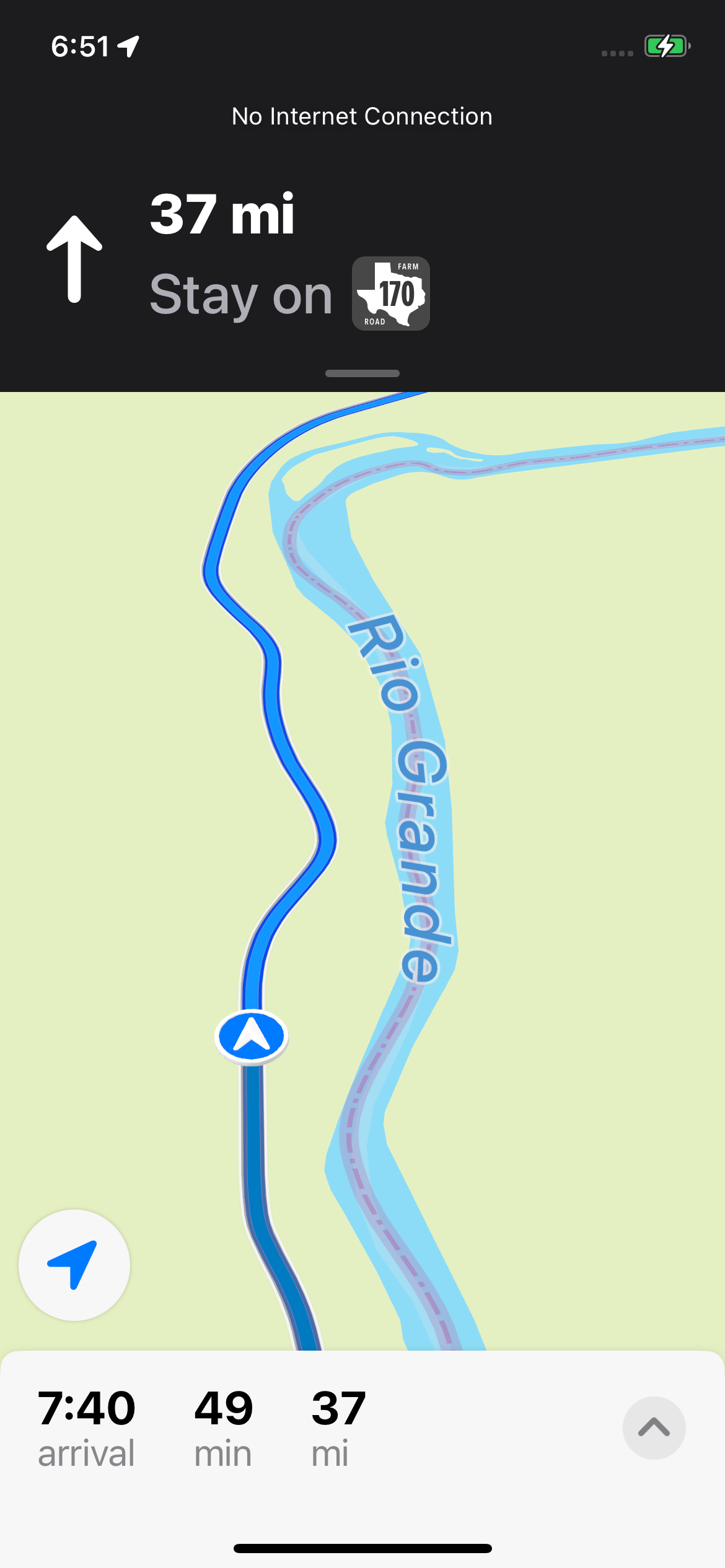
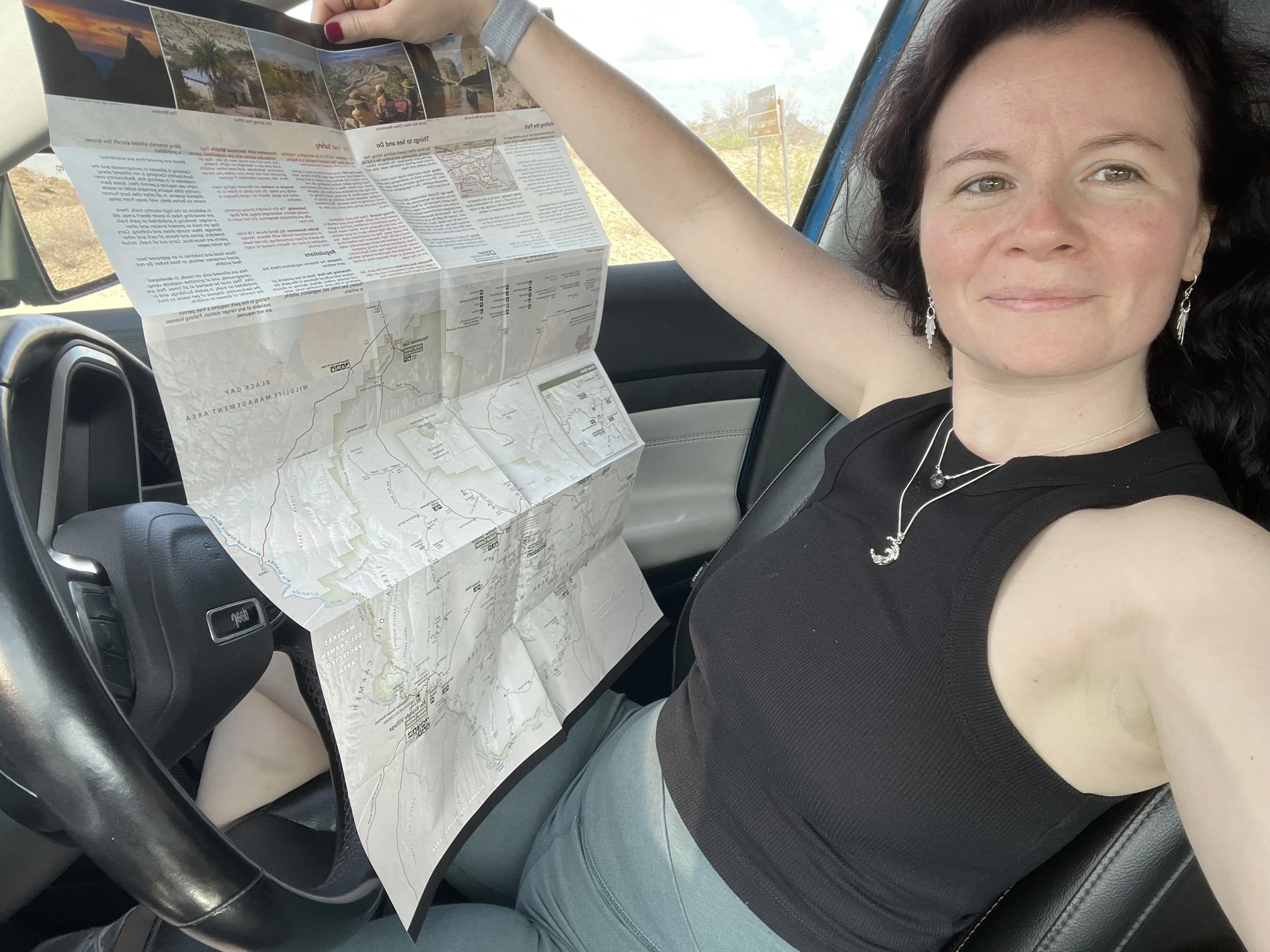
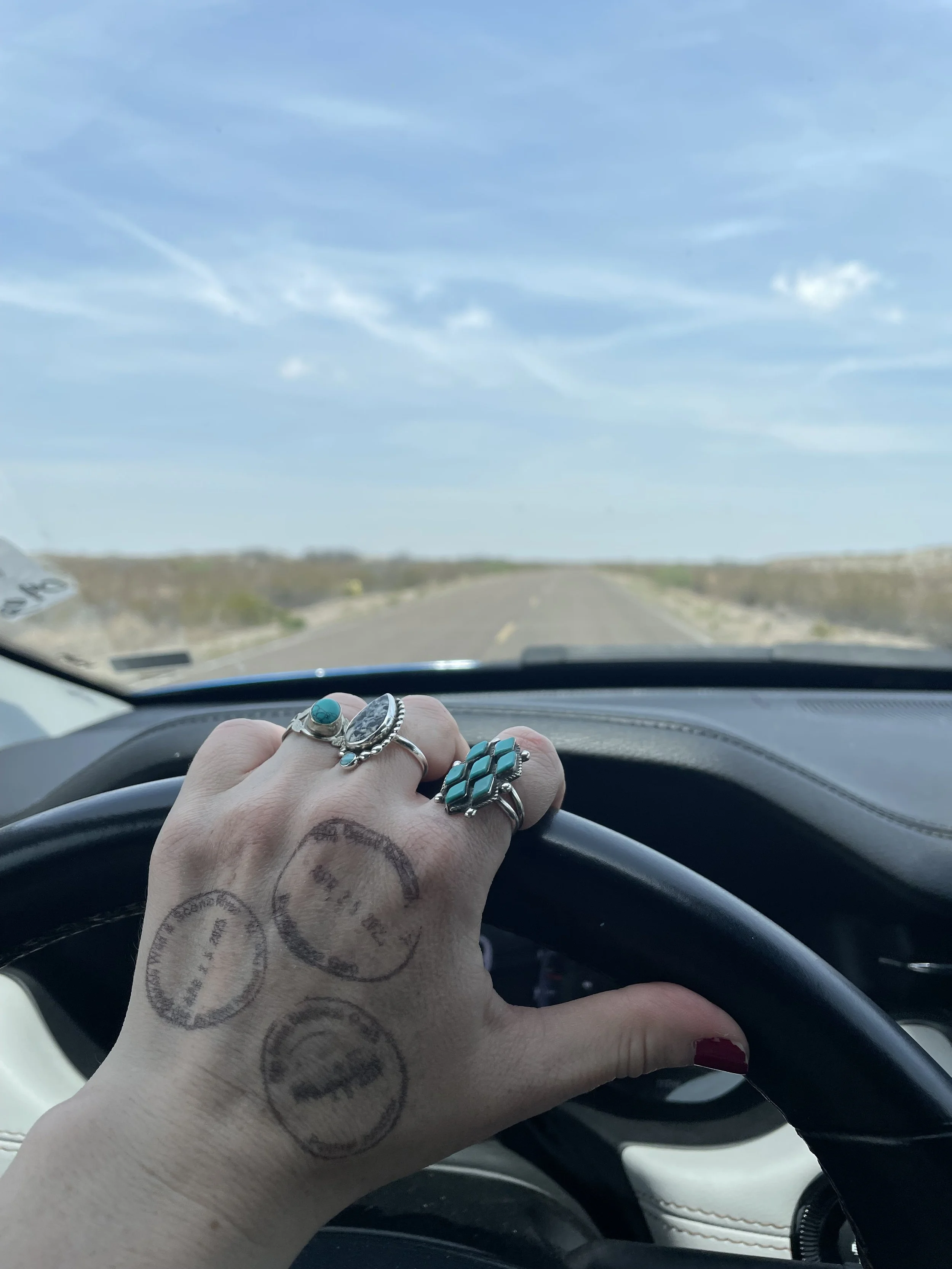
Big Bend might be the only place I’ve ever been that truly wasn’t on the way to anything else. Taking myself there was a deliberate, no-half-stepping endeavor. That’s the only way to get there, and that’s exactly how I want it. I flew to Phoenix and drove over 1,100 miles to get to the national treasure that is Big Bend.
You can more easily reach already-remote Guadalupe National Park and skip the five extra hours to Big Bend. Most people I met opted out of the out-of-the-way park. But Big Bend rewards those who traverse the lonely roads that lead to it. The intrepid road-trippers who keep driving even though they haven’t seen a car, sign, or service for many miles.
You get to leave a lot behind in exchange for something you’ll never find anywhere else.
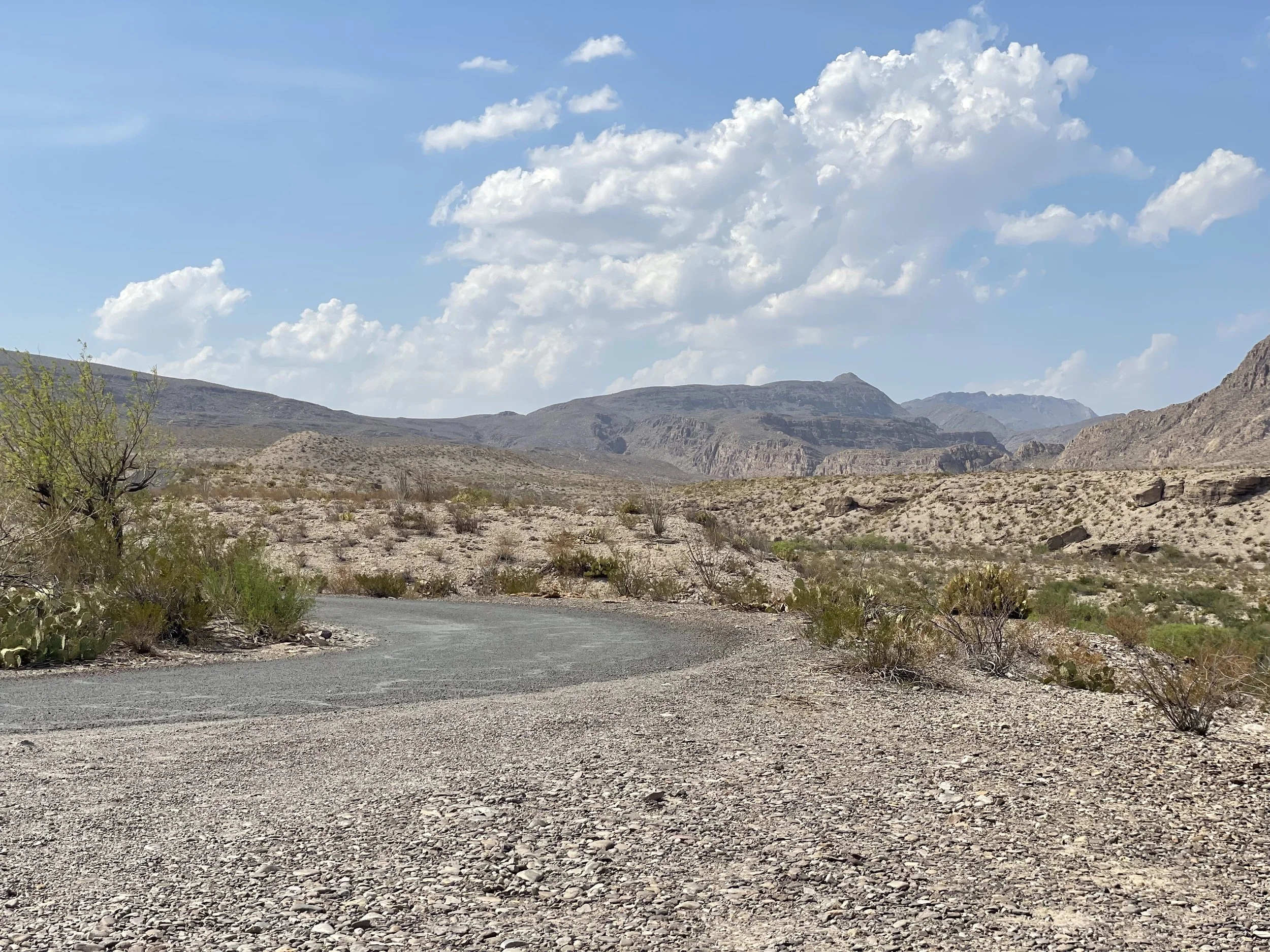
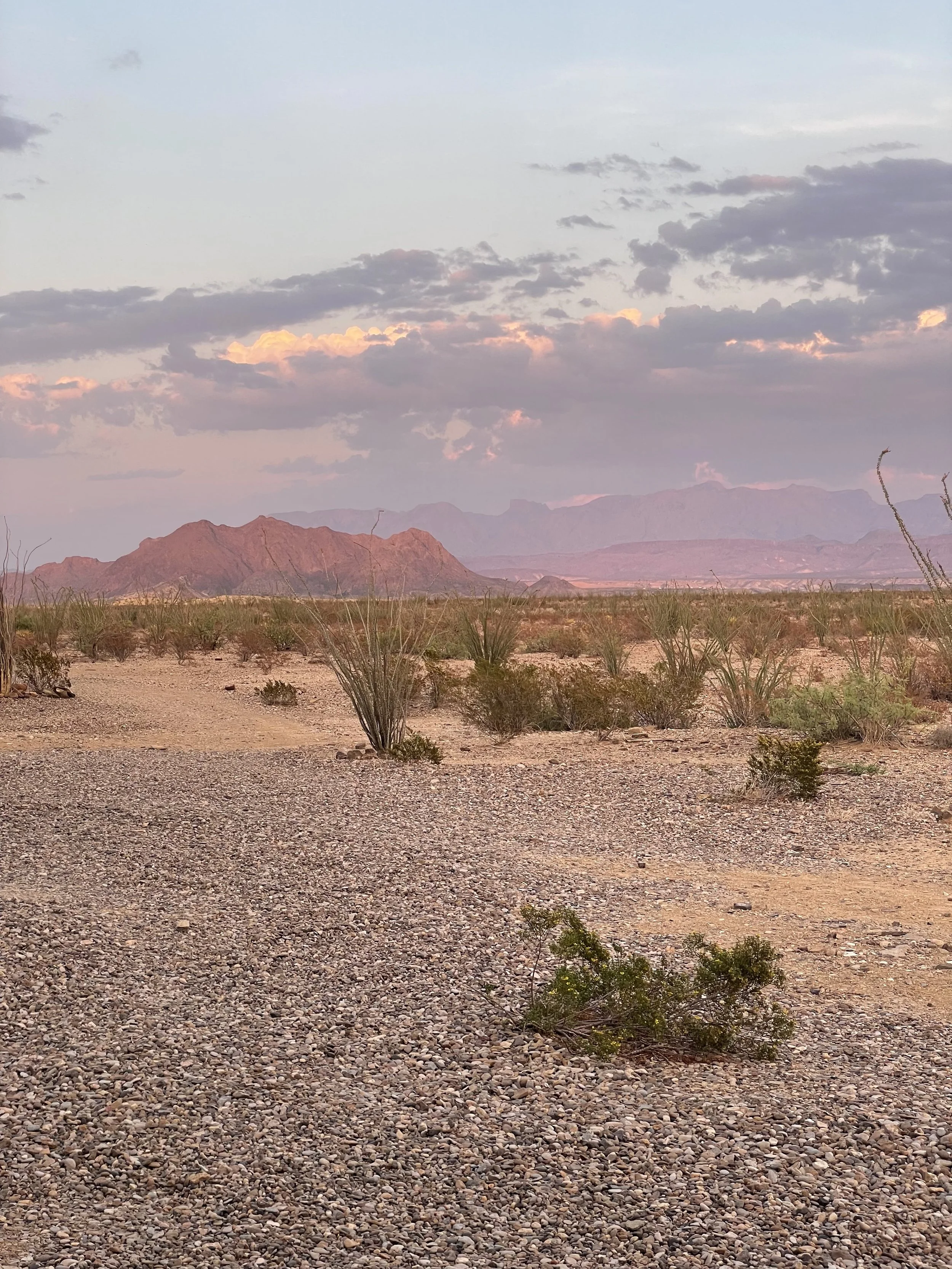
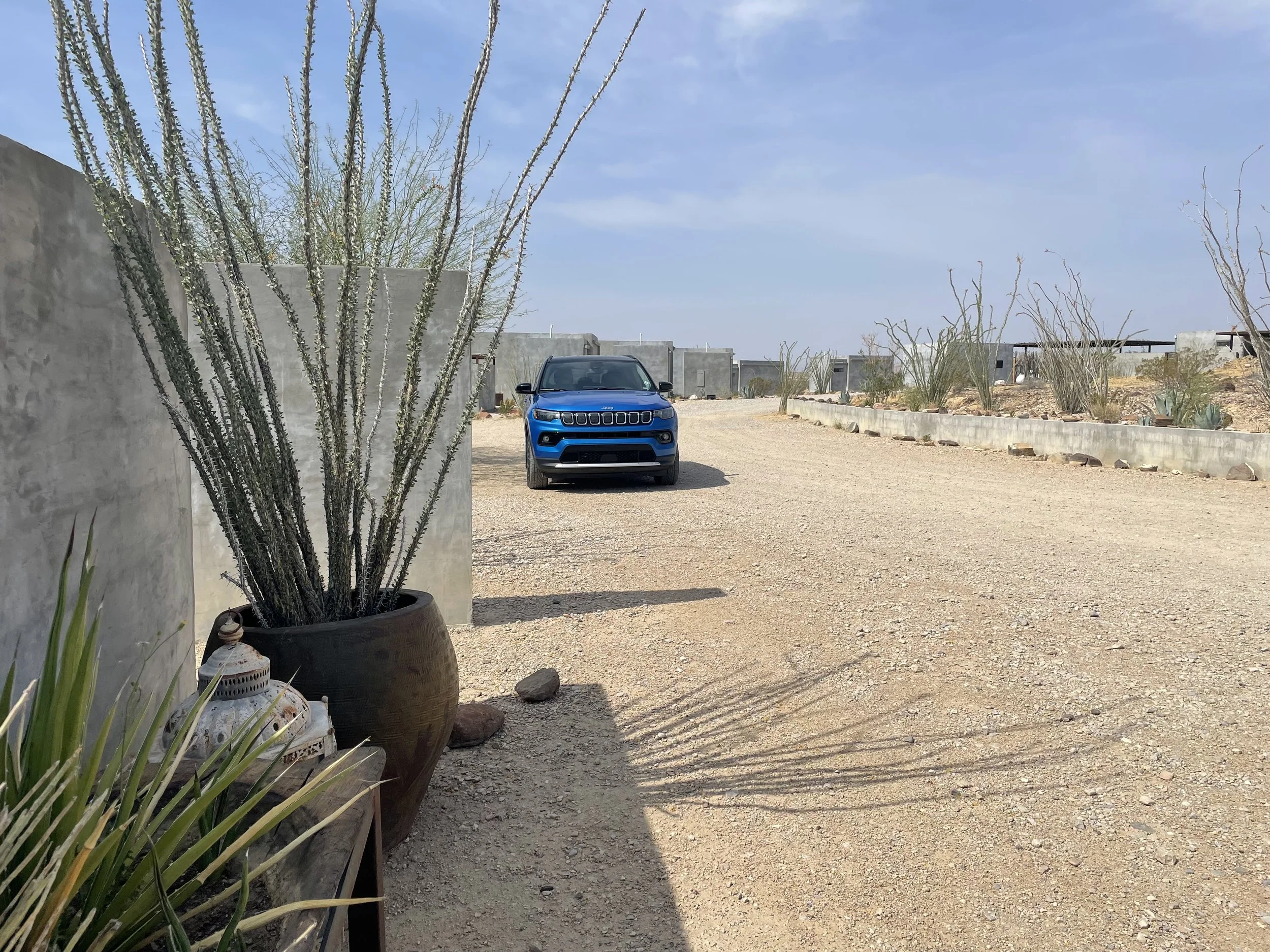
Big Bend felt like it was all mine to discover. There were no overflowing parking lots like summer in Acadia. No droves of in-park lodges and dining options waiting to house and feed me like on the Grand Canyon’s south rim. It was just me, my free-wheeling self, and my 4WD rental in a park the size of Rhode Island. Over 801,000 acres of desert mountains majesty.
This place changed me. It’s hardly left my mind since I left. Something in me was so drawn to it. More than any other place I’ve planned to visit for a long time. Why? I still can’t quite explain it, even after being there and having all my senses confirm my deep connection and adoration.
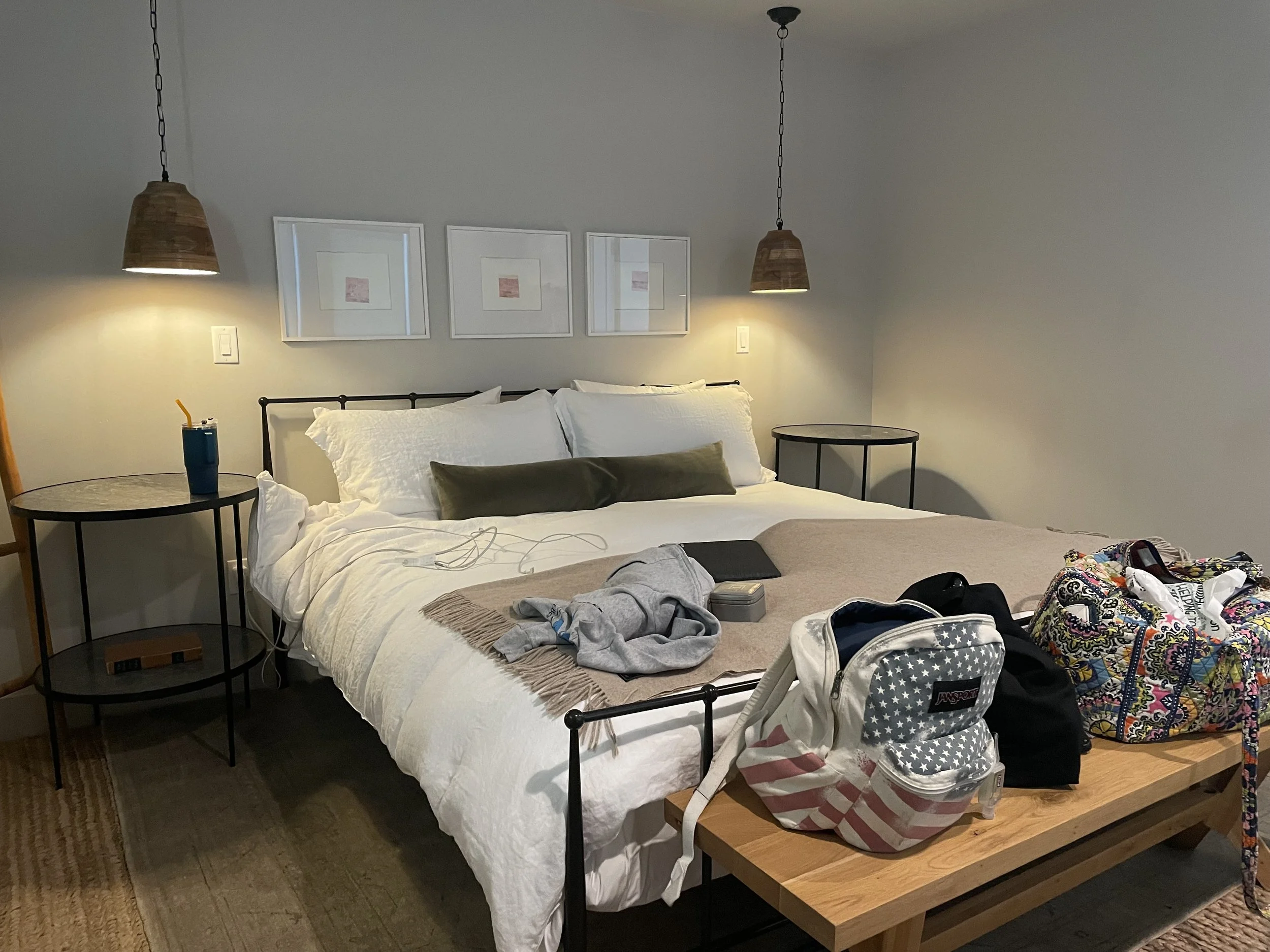
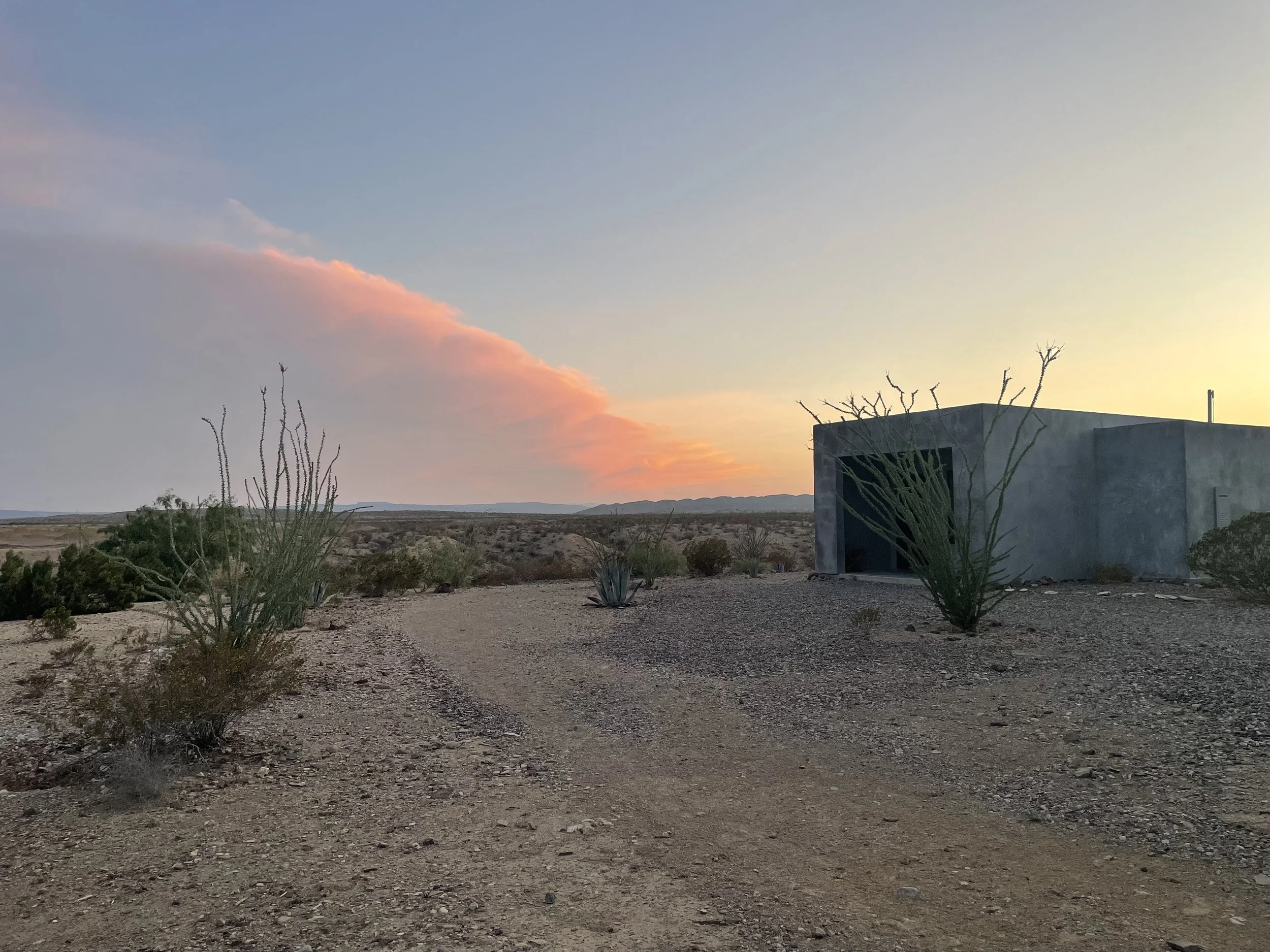
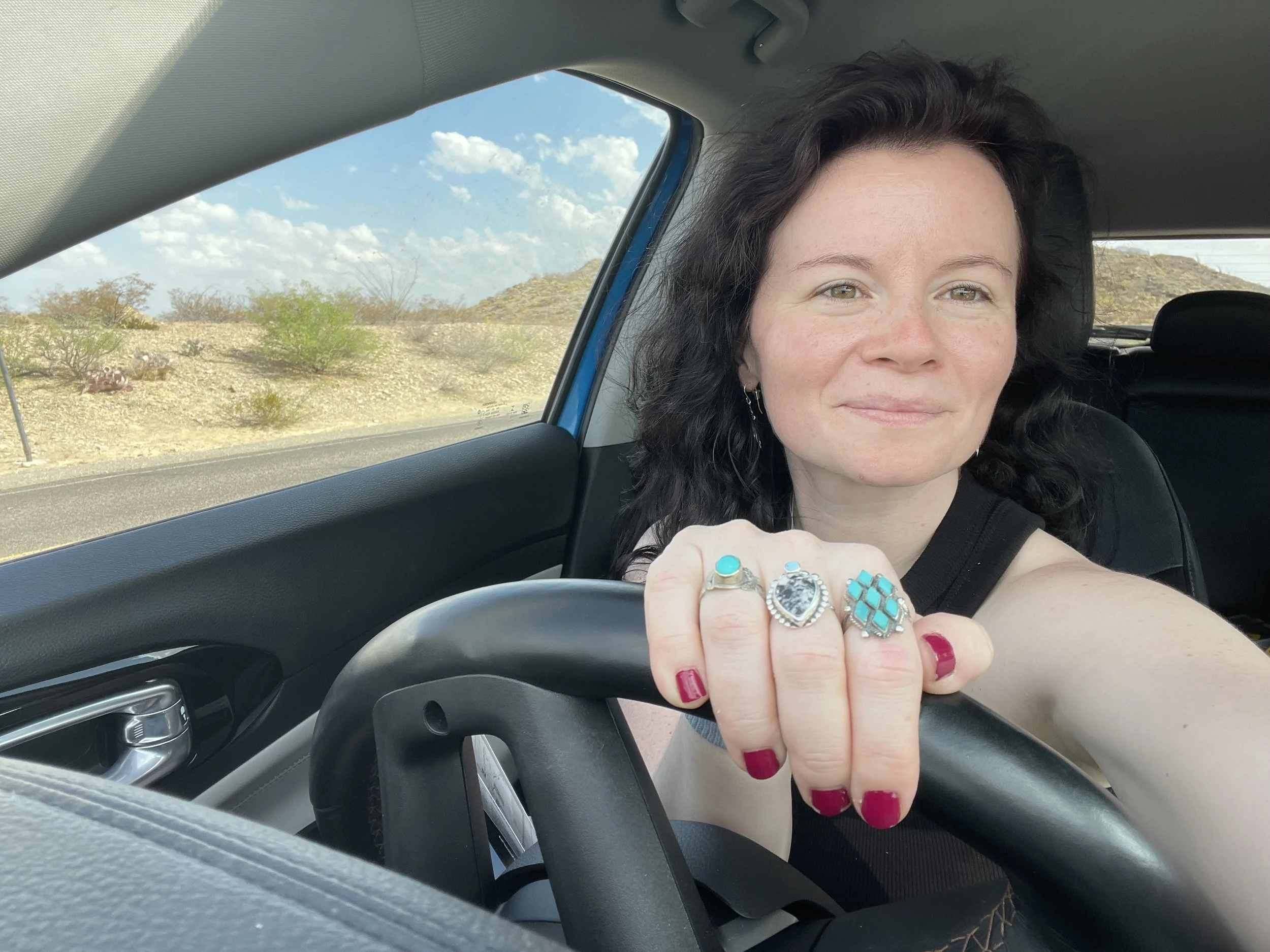
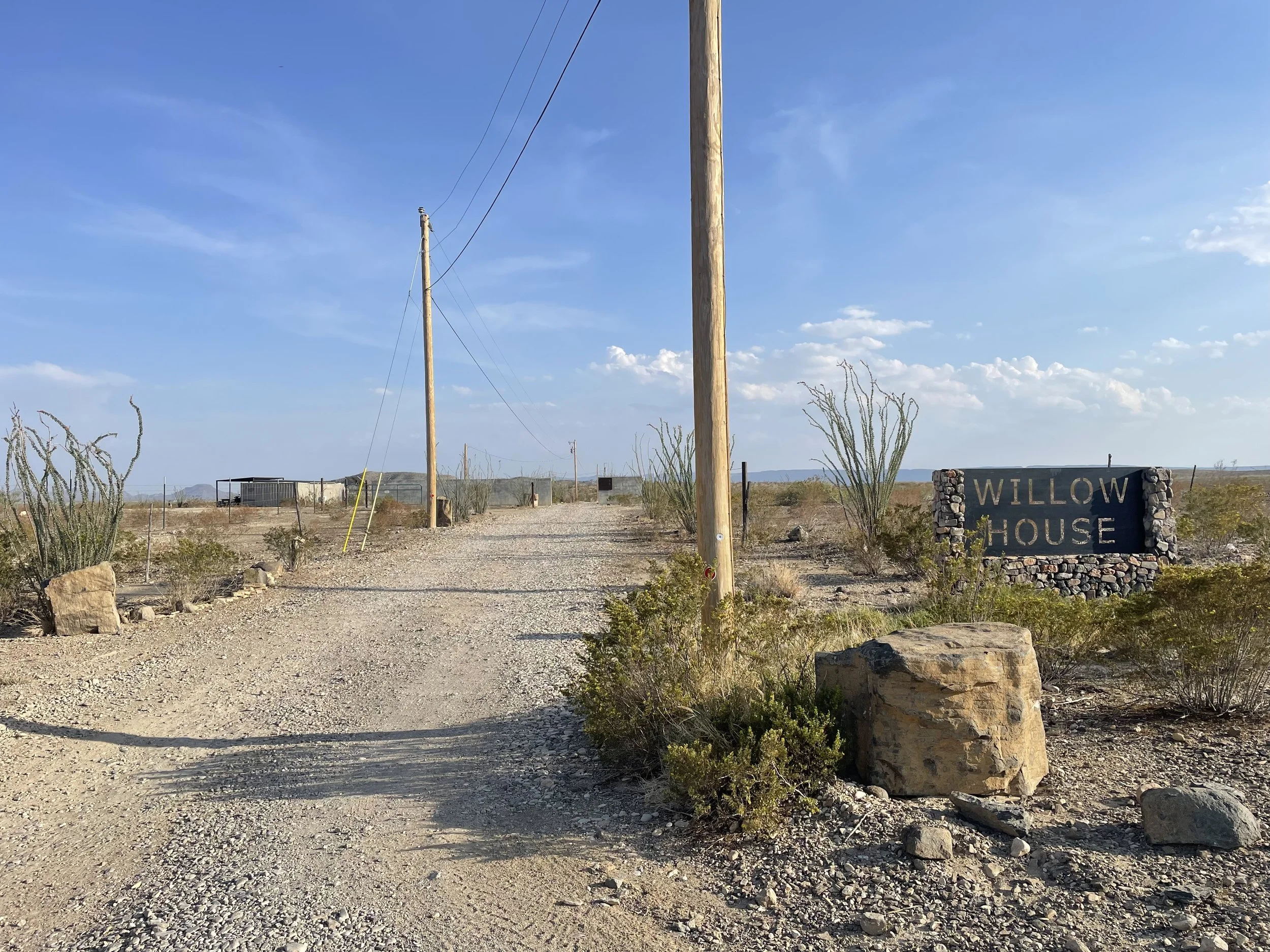
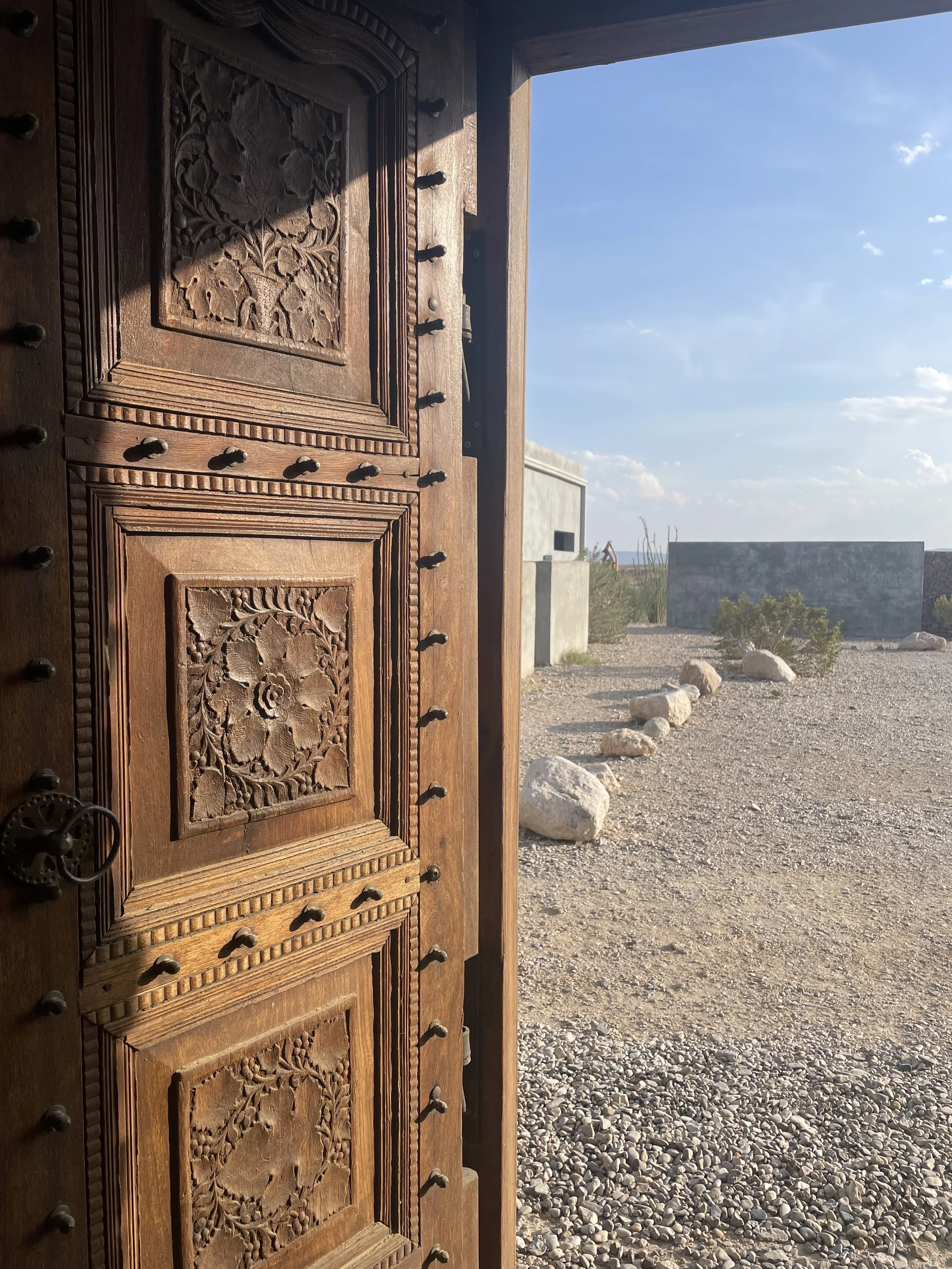
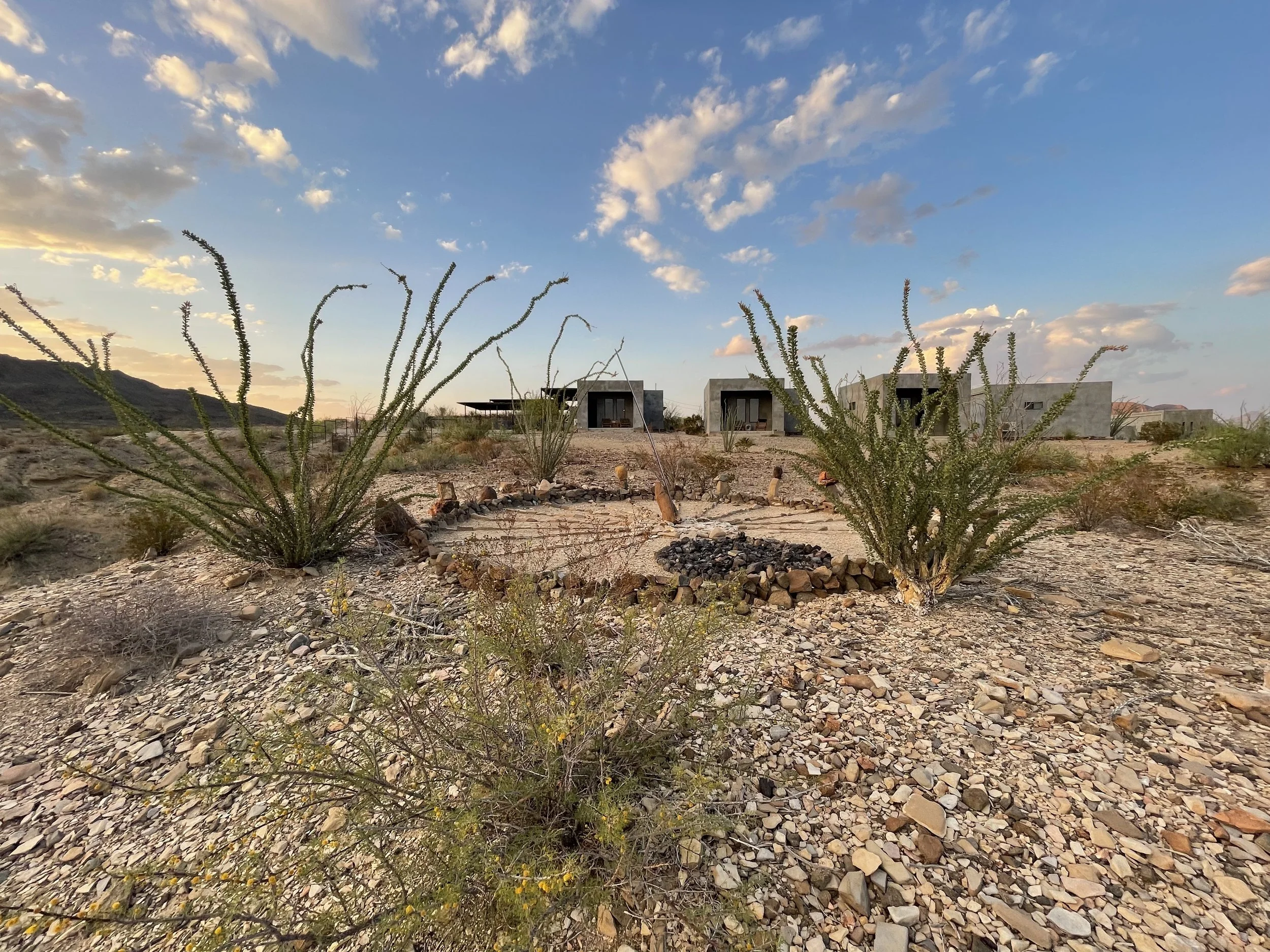
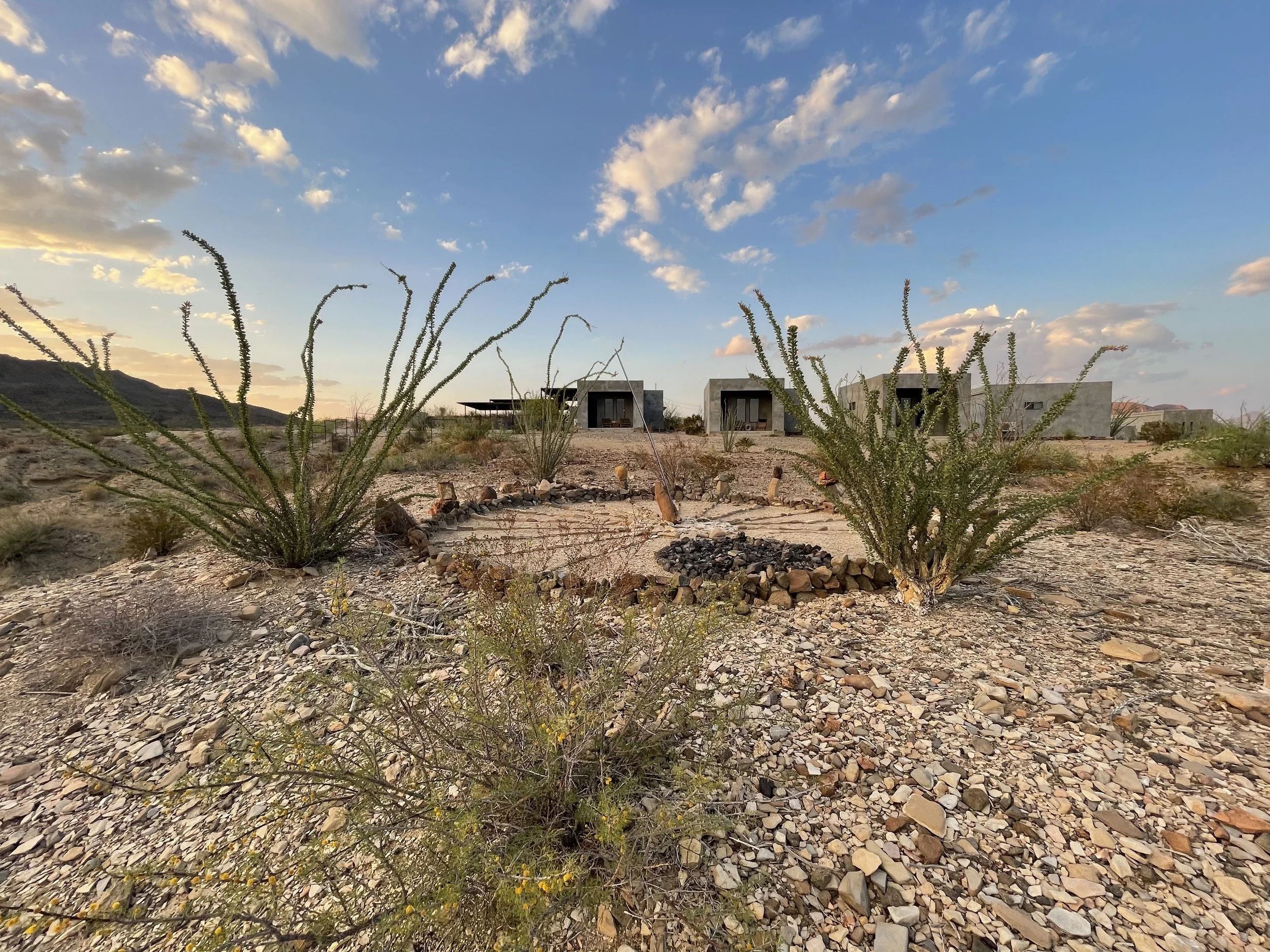
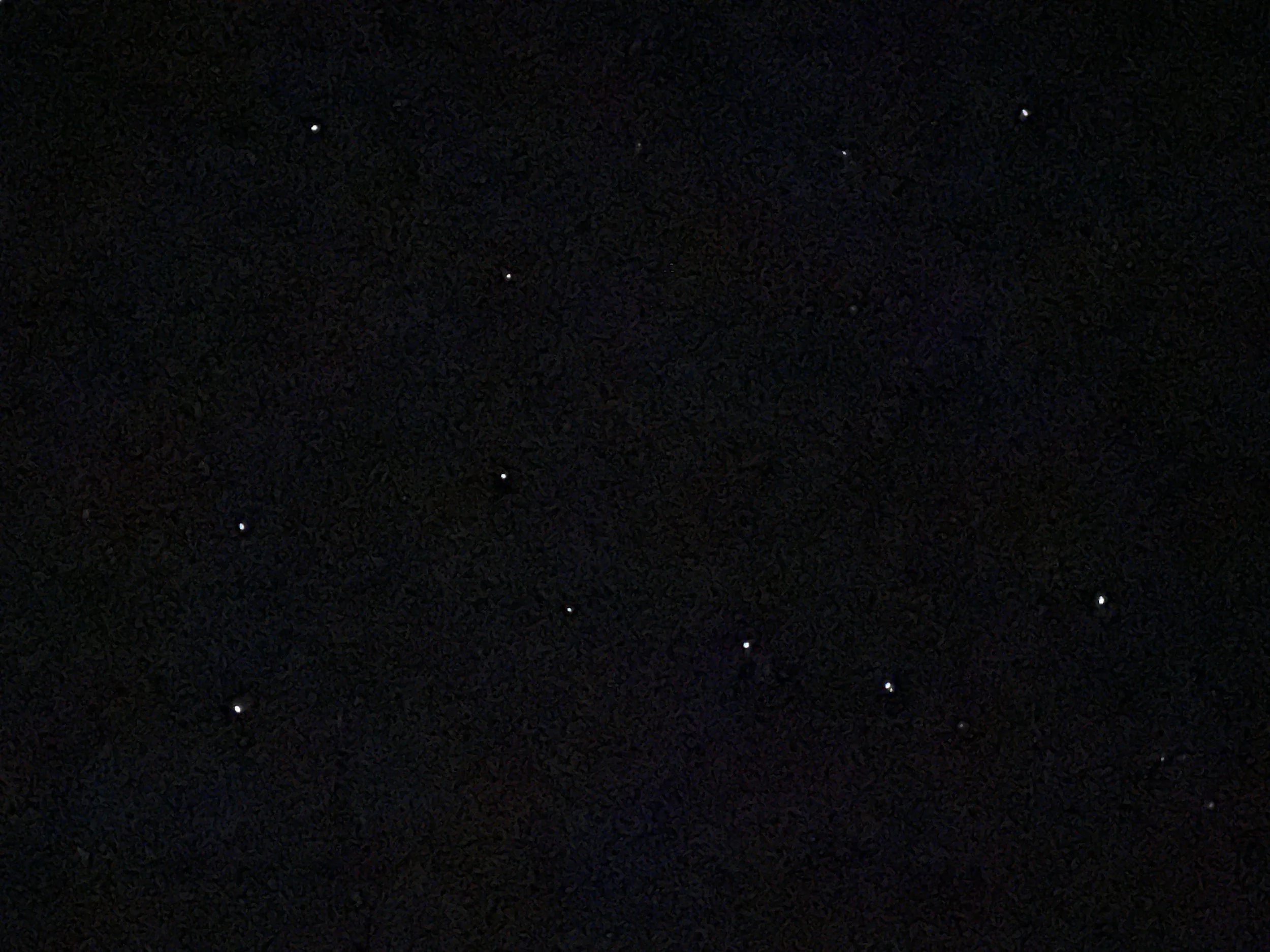
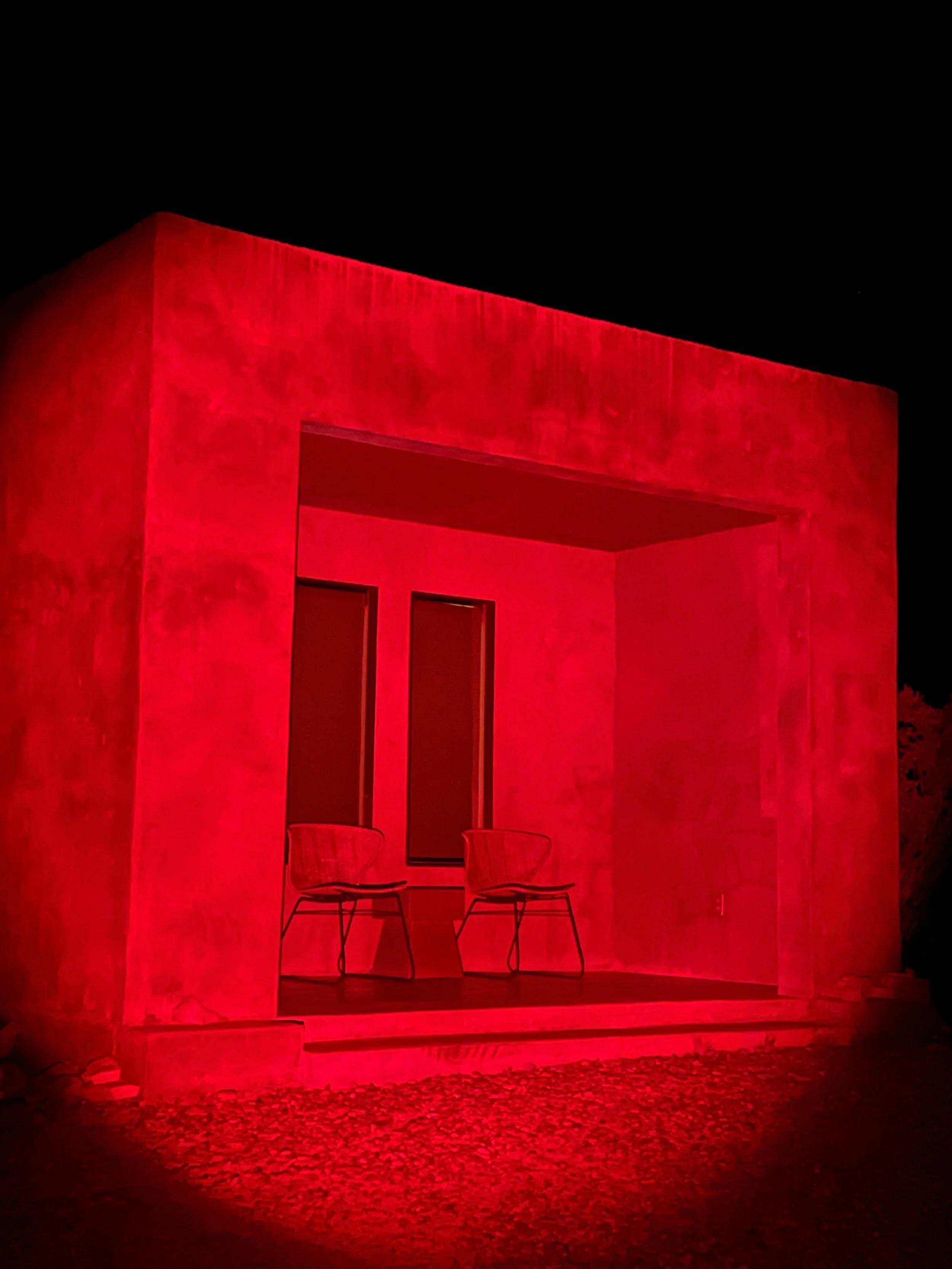
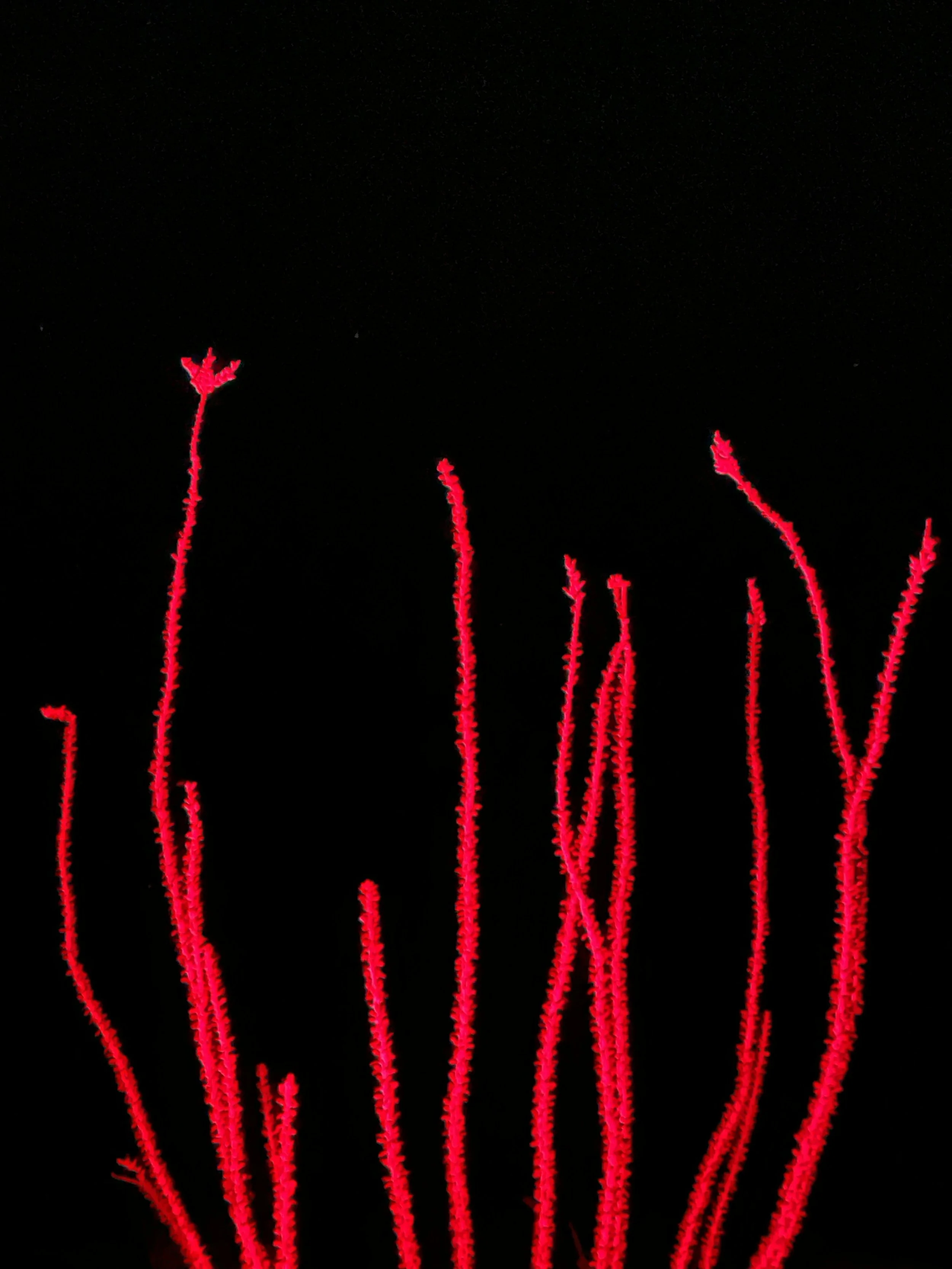
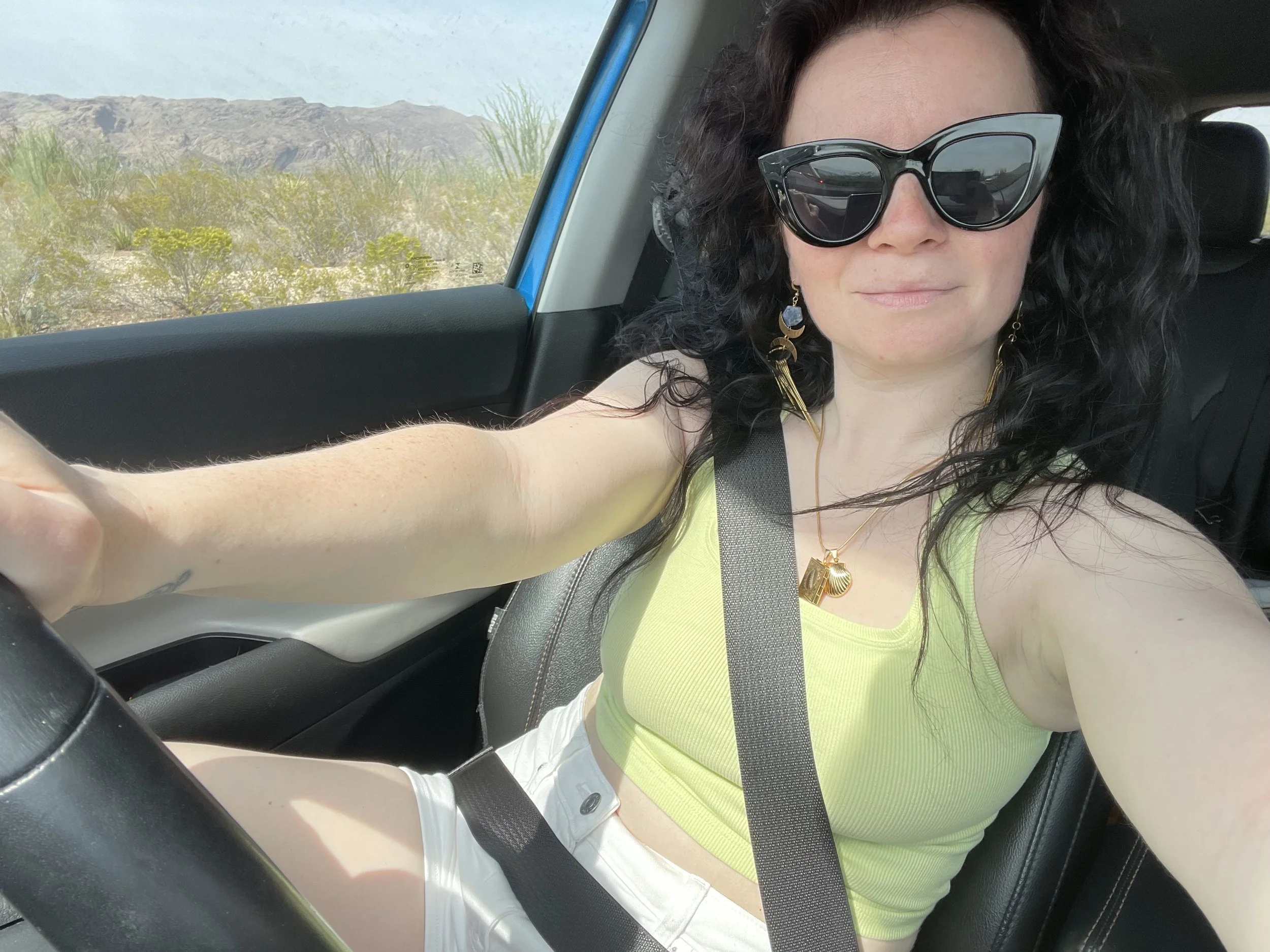
I spent quality time with the Big Dipper there. Quality time with myself. Quality time with two above-and-beyond park rangers. I made friends. Walked on rocks. Bought rocks. Slept in a casita. Learned about well water and filtration. Turned plants red with light in the night and spooked a neighboring casita. I giggled. I watched the degrees on my dashboard soar from the 70-something to 99. I taped a Big Bend National Park receipt to my windshield and shielded my America the Beautiful pass to prevent the plastic from melting, per ranger guidance. I watched my phone switch between Central and Mountain time many times each day because of its proximity to Mexico. I drove my rented Jeep on a road that hugged the curves of the Rio Grande so closely I made myself motion and homesick. I ate Velveeta—cheesy pasta to my sticky-fingered toddler friends—from a cup at 10:30 pm for dinner. I fell in love with the piercing silence of the desert, the blinding blackness of night, and the ghost town’s name that alliterates with its state. Terlingua, Texas.
Stepping out of my casita into the darkest night I’ve ever known felt like walking into the ocean’s deepest depths. I wouldn’t have been able to see a quiet elephant in front of me. The darkness was thick. I stood in it, lights off, waiting for my eyes to adjust. They didn’t. There was no light for them to cultivate. It was wildly intriguing. Even a little intimidating. But it was magnificent. An unforgettable first for me.
I looked up to the subtle stars. I waited for my eyes to adjust again. This time, the lights grew brighter, and the flickering specks above multiplied. I lost my balance standing and looking up, so I sat on the desert floor. Smooth stones pressing into my thighs. Then inspiration hit.
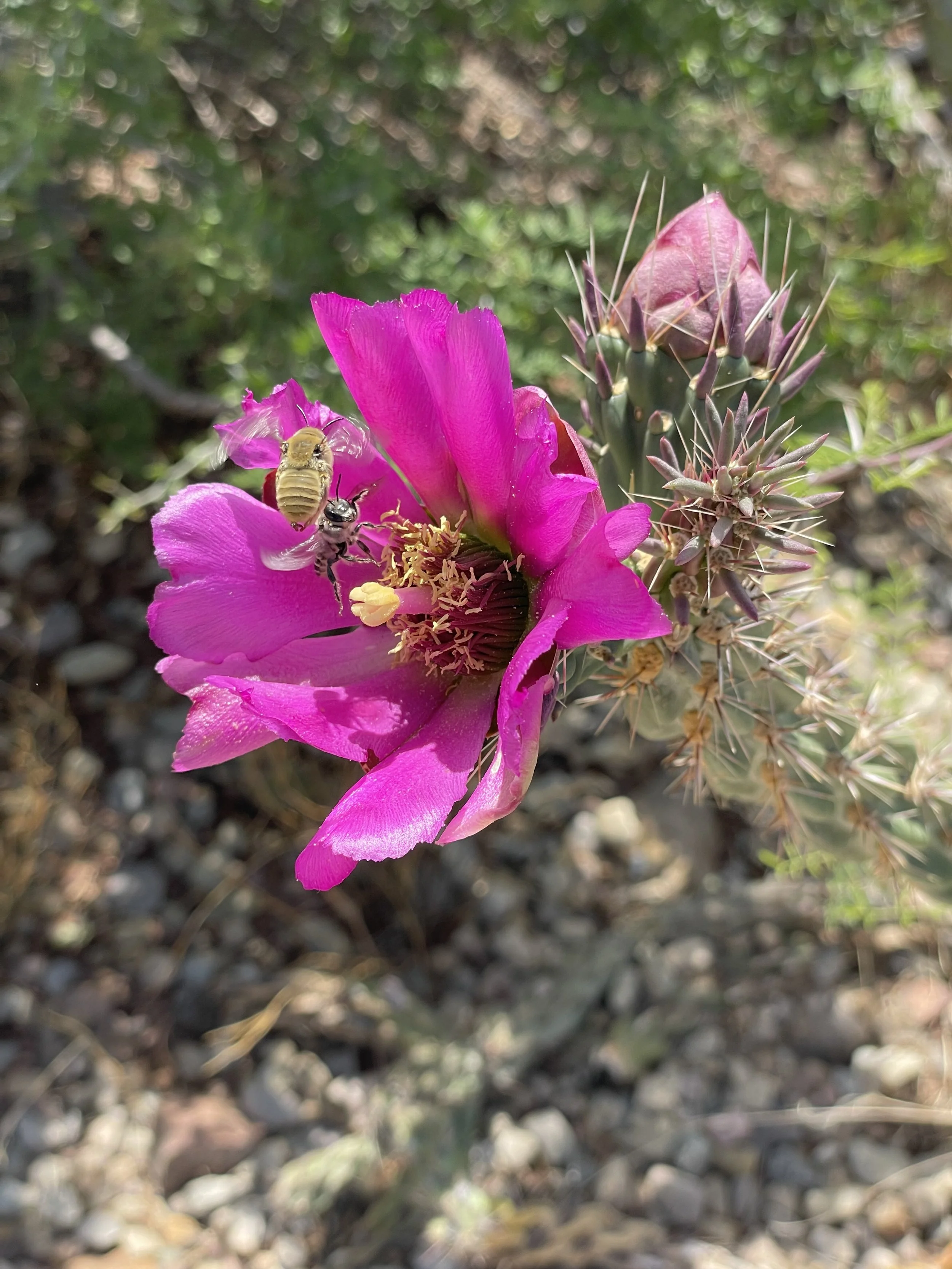
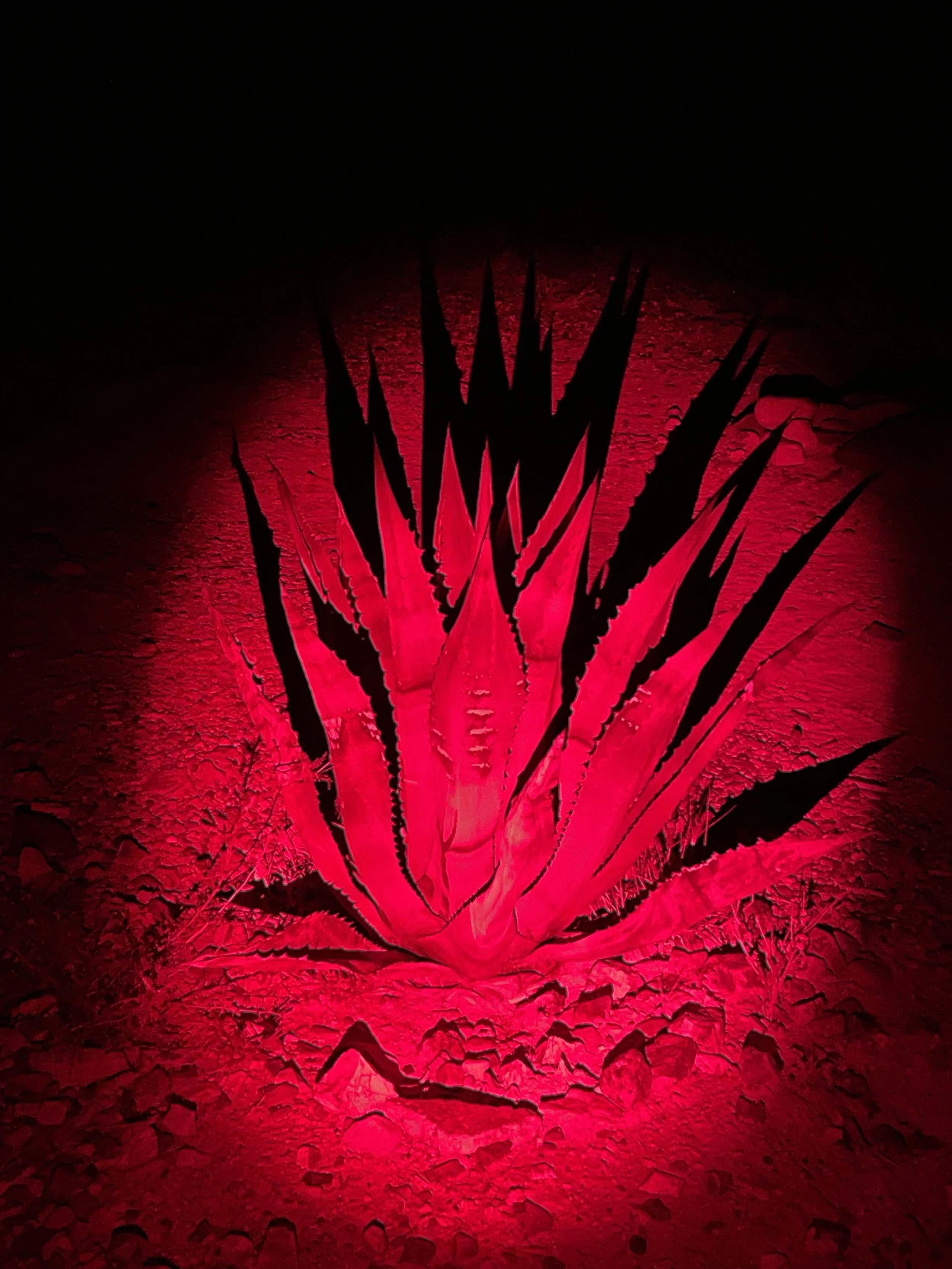
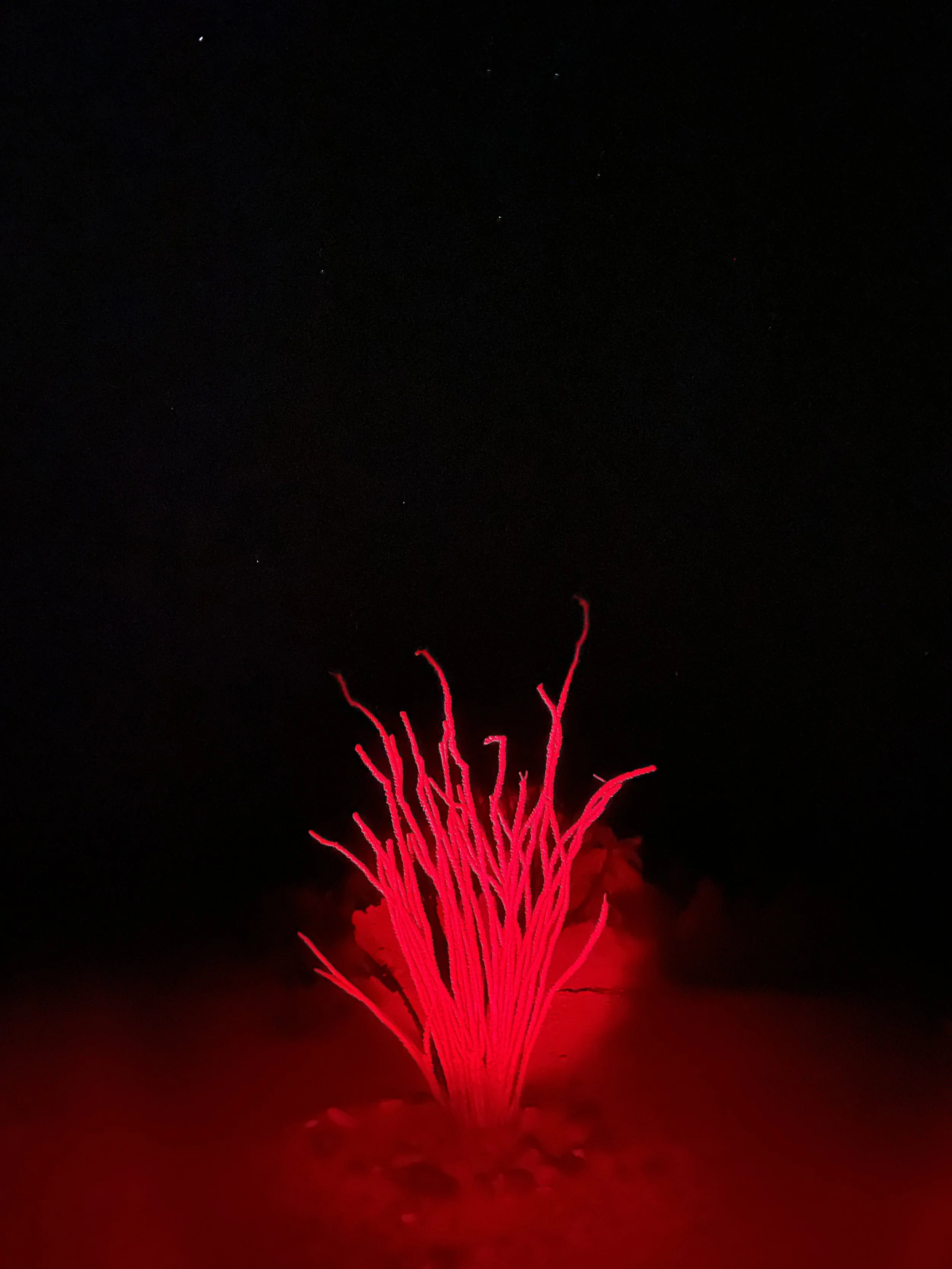
Smiling and giggling pranced back into my casita, yipped up on darkness and stars. I grabbed my little red-light flashlight—because red lights are easier on the eyes than, say, a phone flashlight, in extreme darkness. I threw on my fluffy white Willow House robe, shut the lights to maximize darkness, twirled back out into the black desert ocean, and plopped myself down near an ocotillo in bloom. I shined my little red light on it, and I was instantly on Mars.
I shined my little red light all around for an eerie glimpse into the arid oasis around me, and suddenly, not only was I on Mars, but I was also on my honeymoon—head over heels with a new foreign land and a mesmerizing new hobby. Taking pictures of desert oddities aglow in the magic of my little red light. I couldn’t get enough. Until the stars, begging to be witnessed, summoned me to turn out all lights.
I plopped myself down again near my once red ocotillo, leaned back, and let the stars work their magic on my eyes. I watched the night sky brighten way up high. It felt like a spa experience, sitting there in silence, somewhere between calm and exhilaration—my favorite place to be. My head was clear. My visual field so wide.
I watched a green dot streak across the sky so high it seemed to be above the stars. It was much slower than a shooting star, but much faster than a 737 flying overhead. It was likely cosmic ancestors out for a midnight joyride, surveying the prettiest part of Texas from alien’s-eye view.
I could’ve entered a trance, sitting out there alone in the thick, spellbinding night. Silence blanketed me. My mind was wide open, free of mental chatter. Only blissfully curious, captivated observations floated in. That clarity and clear-headedness feel exclusive to me in Terlingua. It’s precious. It’s priceless.
I sat there enthusiastically, peaceful—undisturbed by internal or external experiences for ET only knows how long. Until the sounds of others entered the atmosphere. My head spun around at scorpion speed—face morphed into an instant scowl. “This is mine! Who goes there?! You can’t—what?! Nooo! Gooo!” was my inner tone and outer demeanor that no one could see. It was just fellow Willow House guests giggling their way from the main house back to their casita. I heard a, “Sh*t it’s dark out here,” announced with some giggles.
I want to tell you that I decided to be spooky, but the truth is, my intention was not spook them. I thought, well, there’s no way they can see me, but if I make any noise, they might think I’m a creature and get really scared. Or they could even trip over me since they were heading in my general direction, and I’m basically sprawled out owning the land. So, I chose the option that my brain concluded would be most sensible and least creepy. I shined my little red light delicately to announce my presence.
Only my light was aimed right at the striking, thorn-adorned, 6-foot-tall ocotillo in front of me. So out of the pitch-black nothingness they were walking through, suddenly, without a sound, a vibrant red beacon appeared, spotlighting a towering, unruly-looking plant. Instant screams and scrambling. “What the f*ck is that?!? Oh my god!!!”
I quickly turned out the light. Then turned it on again. Kicked my feet in the gravel, too. My clear head short-circuited trying to solve the situation. I thought about yelling, “It’s ok, it’s just me. I’m a person here—I’m just—I’m your neighbor.” “No, no–that’s even creepier.” Somehow, adding words into the mix felt like kicking the already-high creep factor into overdrive. But thrashing my feet in the gravel…didn’t?
I decided against any further communication by feet, phrase, or light beam, and they very quickly scurried back to their casitas for the night. It wasn’t exactly my intention, but I did get the night and the land all to myself again. The ocotillo and I had a good laugh about it and celebrated with some more red-light photos.
Nights like that under those exceptionally dark Far West Texas skies are at risk. This looming threat alters more than scenery—it jeopardizes the very rarity that draws people to the region.
Terlingua is just outside Big Bend National Park—one of the least light-polluted places in the U.S. Here, the Milky Way shines brilliantly, especially from March through October. It can even cast shadows on the ground. It’s a certified dark sky region.
Greater Big Bend International Dark Sky Reserve covers 15,000 square miles. It has the highest dark-sky rating: Bortle Class 1 (excellent dark sky, true dark site). The region is heavily protected by strict lighting ordinances. This ensures the skies remain among the darkest in North America.
Those very protections are among 28 laws this administration is breaking to expedite border wall construction in this remote region of Far West Texas. This area has the lowest unauthorized border crossings along the U.S.-Mexico border. Crossings are down 74% in the past year.
Laws that are being railroaded for this completely unnecessary construction include federal public health laws such as the Safe Drinking Water Act and Clean Air Act, environmental laws specifically the Endangered Species Act and the National Environmental Policy Act, and tribal-sovereignty laws, namely the National Historic Preservation Act and the Native American Graves Protection and Repatriation Act.
Construction of the wall that no one wants would forfeit the Rio Grande River, causing irreversible harm to protected land, private property, wildlife, and tourism—the lifeblood of the region.
The desecration of this irreplaceable desert ecosystem under the guise of keeping Americans safe from no tangible threat is a travesty. If it requires seizing privately-owned land under eminent domain, violating human rights, civil liberties, killing wildlife, desecrating indigenous burial grounds, destroying public lands, compromising scarce clean water sources, polluting our air with toxins, and our dark sky with construction and new-road lighting, it is not for the benefit of the American people. Instead, it seeks to pad the pockets of the construction contractors swarming the region for bids and stroke the insatiable ego of a deranged dictator who didn’t get the love he deserved as a child.
The consensus is bipartisan: no border wall through Big Bend National Park, Big Bend Ranch State Park, or anywhere along the 517-mile stretch of the Big Bend. Plans for this senseless wall have always been and always will be unanimously despised in Far West Texas and beyond. Big Bend judges, mayors, and county sheriffs are all aligned that permanent infrastructure is the wrong approach to border security in this rugged, remote region of deep canyons, steep mountain ranges, and sprawling desert wilderness.
These rural counties are struggling to keep their hospitals and schools open, and the federal government is coming in, contracted to spend $17 million per mile on a vertical border barrier system to solve a problem that doesn’t exist in the region. Constructing this wall would only hurt the region.
Constructing a physical border wall would bring lighting systems, access roads, maintenance corridors, and man camps that threaten to dwarf the populations of these tiny rural towns, leaving already-limited resources dwindling or unavailable to residents.
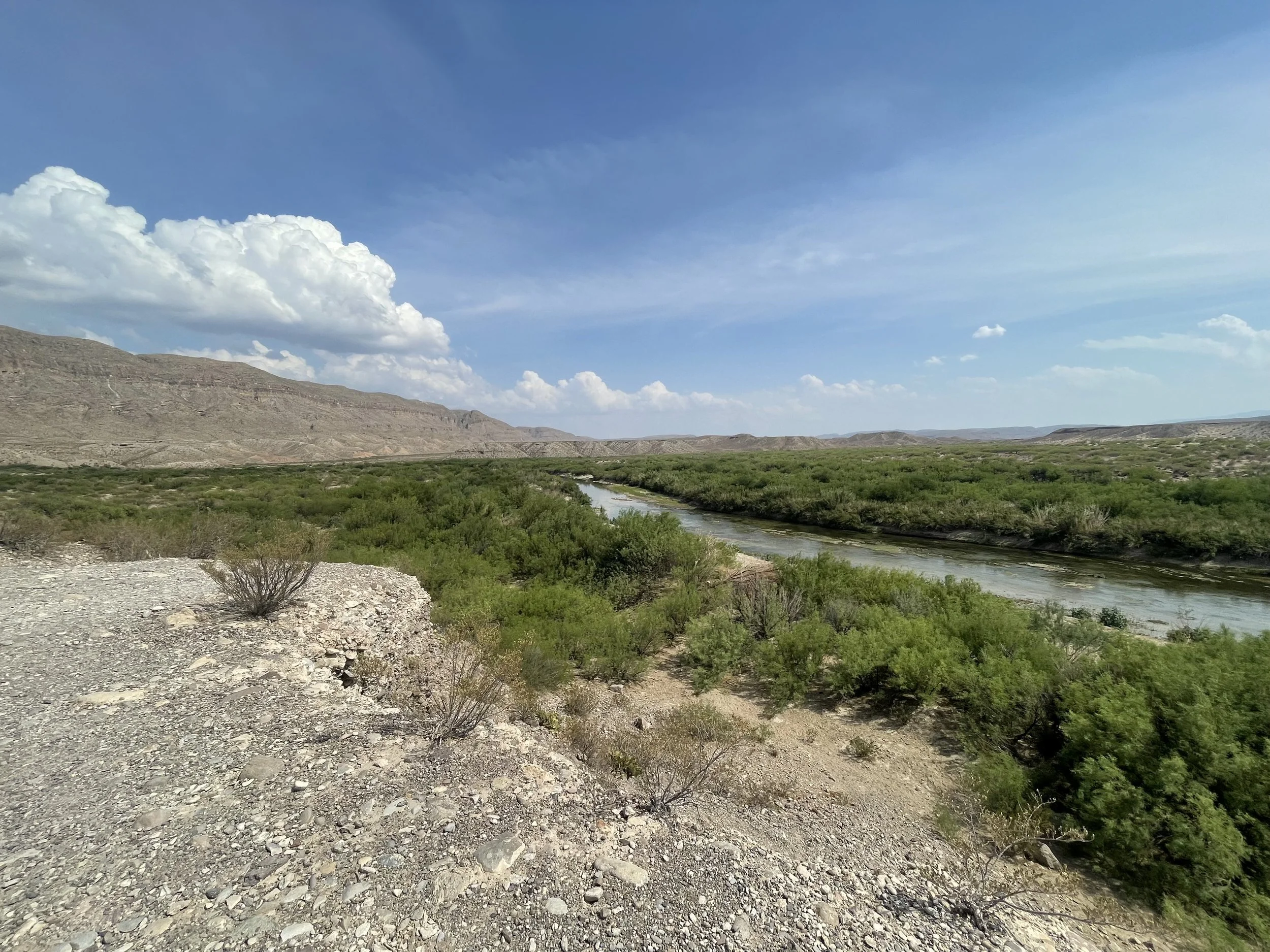
The Rio Grande is the region's most prominent water source. Wildlife and local businesses rely on river access for survival. Everyone comes to this region to recreate on the river. And the people who reside here are heavily reliant on the continuance of that.
My heart and my sanity are reliant on the protection and preservation of this place, and I live over 2,000 miles away. I need to know that the livelihood of locals and their entire way of life won’t be destroyed by the uneducated decisions of people who have never set foot in this place. I need to know that the Big Bend is going to be there just as I left it. Hundreds of miles from hustle, harm, and unjust land seizure.
Far West Texas changed me, and I need it to never change. I need to return to those same winding roads, relentlessly dark skies, stark silence, and tough, untouched desert terrain year after year. I need the people who planned to live and die there not to have to change course and relocate. I need the would-be visitors who haven’t yet felt the rush of remoteness to feel it and fall in love just like I did.
I left a piece of me there, and I took a part of it with me. I love it like it’s my home.
I’ll keep venturing out there—intentionally, a few thousand miles out of my way, beelining for Big Bend—forever. But I need to walk into that river. I need the views from that scenic river road, that sways with the Rio Grande, to remain the same, only changed by the gentle passing of time.
Here’s how you can help.
Sign the petition to stop construction.
Sign the letter to Texas Governor Greg Abbott & TPWD (Texas Parks & Wildlife Department).
Call and write your representatives. Sample scripts for those who live in and outside of Texas.
Call the Department of Homeland Security and DHS Secretary Markwayne Mullin (202) 282-8000 | (405) 246-0025
Visit NOBIGBENDWALL.ORG for scripts and more information.
If you’ve been to the area, tag photos with #BigLoveForBigBend , #NoBigBendWall , #NoAlMuro on social media. If you haven’t been yet, search those same hashtags to see what we must fight for.
Follow @nobigbendwall for updates.